Folic Acid for Brittle Nails: Can This B-Vitamin Really Help?
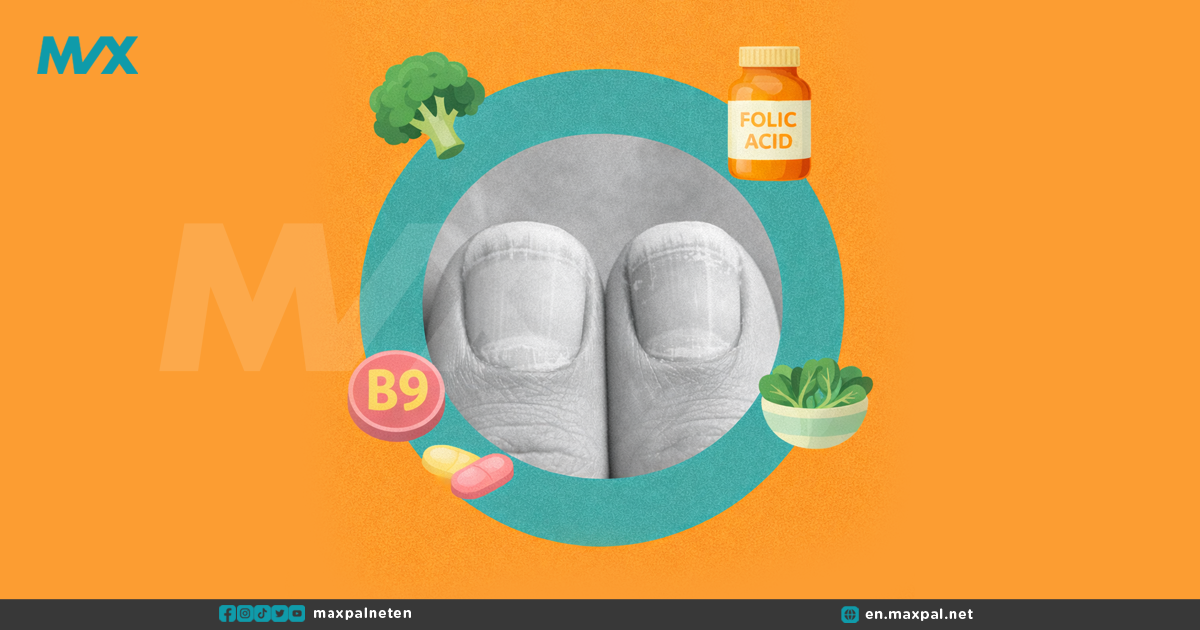
Max Global: When your nails keep splitting, peeling, or snapping for no clear reason, it is natural to search for a solution that goes beyond nail polish or moisturizers. Many people turn to folic acid for brittle nails because vitamin B9 plays an essential role in cell growth and tissue repair, including the cells that form your nails. Reports from reputable beauty sources have highlighted folic acid as a nutrient that may support stronger nail growth, while global health authorities emphasize its importance for overall wellness.
Drawing on guidance from international and U.S. nutrition organizations, MAX Global brings you an evidence-based look at when folic acid for brittle nails makes sense, when it doesn’t, and how to use it safely within a broader nail-care routine.

How Folic Acid for Brittle Nails Fits into Nail Biology
Nails grow from a matrix of rapidly dividing cells located beneath the cuticle. These cells depend on nutrients involved in DNA synthesis and normal cell division, especially folate (vitamin B9 found naturally in foods) and folic acid (the synthetic form used in supplements and fortified products).
When folate levels are low, the body often prioritizes essential organs and blood cell production rather than cosmetic tissues like hair, skin, and nails. Over time, this may contribute to nail changes such as ridges, dryness, or altered color. In this context, using folic acid for brittle nails is less about beauty enhancement and more about correcting a nutritional imbalance that may be affecting how new nail cells form.
However, dermatologists and nail specialists emphasize that brittle nails are frequently caused by external wear-and-tear, frequent handwashing, harsh soaps, solvent-based nail polish removers, exposure to chemicals, or simply aging. Other nutrient deficiencies, including iron, B12, and zinc, may also affect nail quality. Folic acid can only help if insufficient vitamin B9 is truly part of the underlying problem.
Do Folate and B-Vitamin Deficiencies Affect Nail Strength?
A number of clinical reviews and dermatology sources describe associations between changes in nail texture and deficiencies in various vitamins and minerals. These reports note that a lack of certain B vitamins, including folate, may contribute to nail fragility, ridging, or changes in pigmentation. Still, brittle nails are extremely common, and in many cases the root cause is environmental stress rather than a missing nutrient. This is why professionals often recommend medical evaluation, especially if nail changes appear suddenly, worsen over time, or affect most nails on both hands.

Recommended for you: Gel vs Regular Nail Polish: Which One Is Right for Your Nails
How Much Folic Acid Do You Really Need?
For most healthy adults in the United States, nutrition experts recommend approximately 400 micrograms (mcg) of folate per day from a combination of food sources and supplements. International guidelines place recommended intakes for women of childbearing age in the 300–400 mcg range, with higher requirements during pregnancy.
Importantly, the amount of folic acid for brittle nails that is considered helpful is generally the same amount needed for overall metabolic health, not a special “high dose for beauty.”
Adults are also advised not to exceed 1000 mcg per day of folic acid from supplements and fortified foods, because very high intakes may mask signs of vitamin B12 deficiency.
Food First: Everyday Sources of Vitamin B9 for Nail Health
Before adding supplements, experts recommend incorporating naturally folate-rich foods into your diet. These include:
- Legumes: Lentils, chickpeas, black-eyed peas, and various beans
- Leafy greens: Spinach, kale, collard greens, asparagus, and Brussels sprouts
- Fortified grains: Many breakfast cereals and enriched flours contain added folic acid
- Fruits and other foods: Citrus fruits, avocados, and eggs contribute additional folate and other nutrients useful for nail strength
If your regular diet already includes many of these foods, you may be meeting your daily folate needs meaning extra folic acid for brittle nails might have limited value unless a deficiency is present.
You might also like: Vitamin Deficiency and Nail Health: Essential Insights and Care Tips
Smart Supplement Use and When to See a Doctor
When blood tests confirm low folate levels, healthcare professionals may recommend a folic acid supplement often around 400 mcg per day, along with dietary adjustments. In these cases, folic acid supports overall metabolic function, and improved nail quality may follow as healthy new nail growth replaces older, fragile sections.
Doctors also check for other causes of brittle nails, such as:
- Iron or vitamin B12 deficiency: which can cause distinct nail abnormalities and broader symptoms like fatigue.
- Thyroid disease, skin conditions, or medication effects, which may need specific treatment.
- Medication side effects
- Excessive exposure to water, solvents, or nail products, which can strip oils from the nail plate and cause peeling.
If your nails suddenly become extremely brittle, change color, or develop deep ridges or spoon-like shapes, medical evaluation is important. Relying solely on folic acid for brittle nails without investigating the broader picture may delay proper diagnosis.
Using folic acid for brittle nails can be beneficial only when a folate deficiency is part of the issue. A well-rounded approach offers the best results:
- Meet daily folate needs (about 400 mcg for most adults).
- Build meals around folate-rich foods such as legumes, leafy greens, fruits, and fortified grains.
- Protect your nails from external stress with gentle grooming and reduced exposure to harsh chemicals.
- Seek medical testing if nail problems persist or are accompanied by fatigue, hair thinning, or neurological symptoms.
For many people, this combination not folic acid alone offers the best chance of stronger, smoother nails over time.