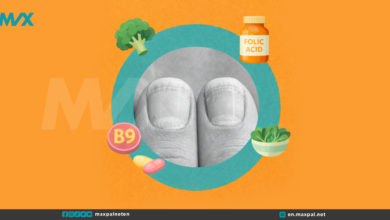
Preconception Vitamins: 6 Nutrients to Focus on Before Pregnancy

Max Global: The weeks right before conception are a quiet “setup phase” for pregnancy. That is when small nutrition gaps can matter most, because early fetal development begins before many people even realize they are pregnant. If you have been Googling preconception vitamins, you have probably seen long lists and flashy “fertility blends.” In reality, the most evidence-based approach is simpler: cover a few key nutrients consistently, use food as your foundation, and use one supplement as backup.
MAX Global brings you a clear, practical guide to preconception vitamins that stays focused on what matters.

Read also: Coffee on Empty Stomach: Harmful or Healthy?
Preconception vitamins vs. prenatal vitamins
People use “preconception vitamins” for the before-pregnancy phase and “prenatal vitamins” for during pregnancy, but the two categories overlap. Many clinicians advise taking a prenatal vitamin before pregnancy so folic acid and other essentials are in place early. This is also why searches like prenatal vitamins before pregnancy are so common. The important rule is not taking more products, it is avoiding duplicate supplements and covering the essentials consistently. (For most people, one daily prenatal is enough unless a clinician recommends otherwise.)
If you are searching best preconception vitamins, think of it as choosing the right “baseline” formula, not hunting for a miracle pill.
1. Folic acid before pregnancy
Folic acid is the best-supported nutrient to prioritize before conception. Public health guidance recommends 400 mcg of folic acid daily for women capable of becoming pregnant, because getting enough folic acid before and during early pregnancy helps reduce the risk of neural tube defects.
Food sources of folate include leafy greens (like spinach), beans and lentils, and fruits such as oranges and strawberries. But many people do not reliably reach recommended levels from food alone, which is why folic acid supplementation is emphasized.
Important: people with a prior pregnancy affected by a neural tube defect may be advised to take a much higher dose (typically under medical supervision).
2. Omega 3 pregnancy support
Omega-3 fats (especially DHA and EPA) are often discussed as part of preconception vitamins because they play roles in fetal growth and development. Research syntheses and professional guidance note that long-chain omega-3 supplementation during pregnancy can reduce the risk of preterm and early preterm birth, although outcomes can vary across studies.
If you get omega-3s from fish, the key is choosing seafood that is lower in mercury. Government guidance commonly recommends 8–12 ounces per week (about 2–3 servings) of a variety of lower-mercury seafood for those who are pregnant or might become pregnant.

You might also like: Baby Constipation Remedies by Age: Safe Home Relief for Parents
3. Iron (and “iron pregnancy” searches)
Iron needs rise during pregnancy because blood volume expands, and many people want to avoid starting pregnancy with low iron stores. The pregnancy RDA for iron is 27 mg/day.
That does not mean everyone should self-prescribe extra iron. Some prenatals include iron, some do not (especially gummy formulas). If you have a history of low iron, heavy periods, or follow a vegetarian pattern, it can be worth discussing testing and a targeted plan with a clinician rather than guessing.
Food sources include meat, beans and lentils, and fortified foods. Pairing plant iron sources with vitamin C-rich foods can help absorption, and calcium supplements can interfere with iron absorption if taken at the same time.
4. Calcium and vitamin D
Calcium supports bone health for both parent and baby. Recommended calcium intake during pregnancy is 1,000 mg/day for adults and 1,300 mg/day for teens.
Vitamin D supports calcium absorption. The recommended intake during pregnancy is 15 mcg (600 IU) per day.
Many prenatal vitamins do not contain large amounts of calcium (because calcium takes up a lot of space in tablets), so food sources often do the heavy lifting: dairy foods, calcium-fortified alternatives, calcium-set tofu, and certain greens.

Recommended for you: How Many Meals Should a Diabetic Eat: 3 Big or 6 Small?
5. Iodine (often missing in supplements)
Iodine supports thyroid hormone production, and thyroid hormones are important for fetal brain and nervous system development.
A practical point: not every prenatal contains iodine, so you may need to check the label instead of assuming it is included.
6. Plant protein and the Harvard research link
Your original Arabic text highlighted plant protein, and that matches what many people learn when they look into diet patterns linked with fertility. A Harvard University–affiliated research group, working with data from a large cohort (Nurses’ Health Study II), described a “fertility diet” pattern that included choosing more vegetable protein and other overall healthy dietary habits. This is not a guarantee of pregnancy, but it supports a simple, low-risk takeaway: swapping in beans, lentils, and nuts more often can be a smart move during the preconception phase.

Read also: Kidney Stone Treatment: Natural Ways to Help Your Body Pass and Prevent Stones
In short, the best preconception vitamins strategy is consistency, not complexity: prioritize folic acid before pregnancy, choose one solid prenatal (often taken as prenatal vitamins before pregnancy), and build meals around legumes, leafy greens, calcium-rich foods, and omega-3 sources. If you have thyroid disease, anemia, or take prescription medicines, treat supplements as a clinician-guided plan, not a DIY experiment.