Male Pattern Baldness: Causes, Treatments, and What Really Works

Max Global: Male pattern baldness is a common and natural part of aging for many men, when hair loss becomes noticeable and persistent, it’s often more than just a sign of getting older, this condition affects up to 70% of men and typically begins with a receding hairline, thinning at the crown, and eventually, visible bald patches.
Understanding why it happens and what you can do about it can help you take control before it progresses.
At MAX Global, we break down the real causes of genetic hair loss in men and explore the latest treatments available, from medical approaches to permanent solutions, we bring you this clear, science-based guide to help you understand your options and take action with confidence.

What Causes Male Pattern Baldness?
The primary cause of hereditary baldness is genetics, if your father or grandfather experienced hair loss, there’s a high chance you will too. the process is triggered by a hormone called dihydrotestosterone (DHT), which shortens the hair’s growth cycle and weakens hair follicles over time.
As men age, their hair becomes more sensitive to DHT, leading to thinner strands, slower regrowth, and eventually baldness in specific areas, such as the temples or crown of the head.
Common Myths and What Doesn’t Work
Contrary to popular belief, hereditary baldness cannot be prevented by eating healthy, exercising, or using caffeine-based shampoos, while these habits may promote general wellness, they do not stop hereditary hair loss.
Many over-the-counter products promise miracles, but unless they contain proven ingredients, they likely won’t make a real difference.

Medical Treatments That May Help
According to dermatology experts, there are a few treatments that have shown some effectiveness in slowing or partially reversing hair loss though none offer a permanent cure.
- Minoxidil (Rogaine): Available over-the-counter, it’s applied directly to the scalp and helps increase blood circulation to the hair follicles, it can slow hair loss and, in some cases, promote new growth.
- Alfatradiol: A topical treatment that may slow hair loss by regulating hormone activity on the scalp. It’s generally considered mild and safe.
- Finasteride: An oral medication (also available in spray form) that reduces DHT levels, it is prescription-only and can be effective, but it also carries potential side effects.
Side Effects and Risks
While treatments like minoxidil and finasteride are widely used, they are not without risk, some men report side effects such as sexual dysfunction, depression, or scalp irritation, Also results take time, often several weeks to months before improvement is visible.
Consistency and patience are crucial, once you stop using these treatments, hair loss usually resumes.
Hair Transplant: A Permanent Option?
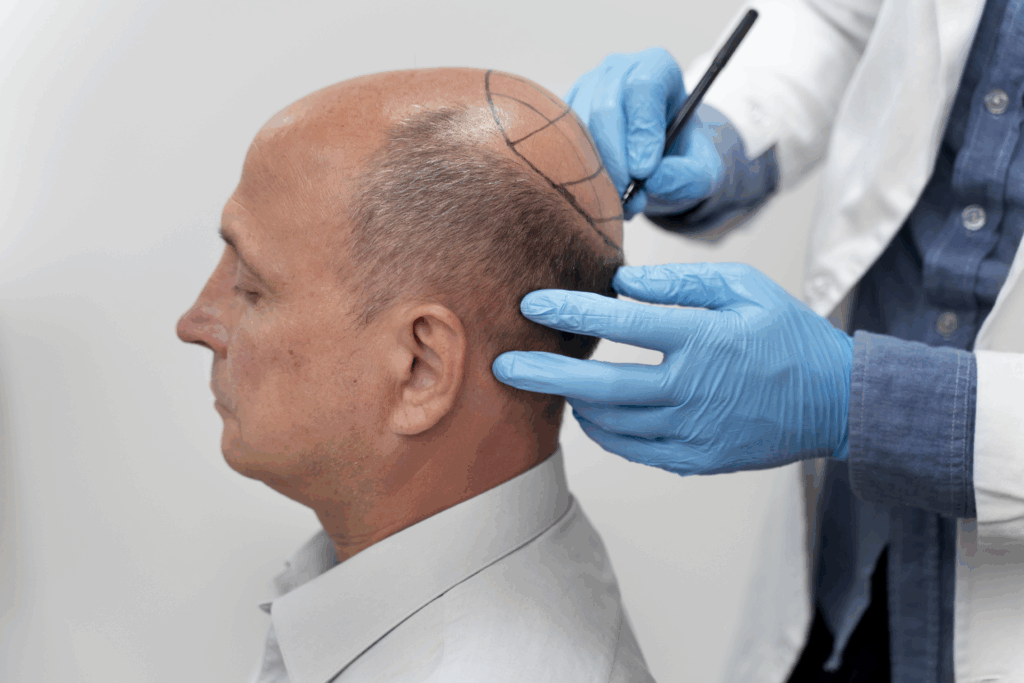
Hair transplantation is often considered the most effective long-term solution for male hair thinning, the procedure involves extracting healthy hair follicles from the back of the head and transplanting them into bald zones.
It offers natural-looking and lasting results if performed by a skilled surgeon the success of the transplant depends on several factors, including the availability of donor hair and post-operative care.
However, it’s not without drawbacks, risks include scarring, infection, and uneven hair growth, the procedure can also be expensive and requires recovery time.
Dealing with androgenetic alopecia can be frustrating, but there are solutions worth exploring, from medical options to surgical procedures, what matters most is choosing a path that suits your needs, expectations, and health profile.
Understanding the facts and avoiding the myths is the first step toward managing hair loss with confidence and clarity.
While no treatment offers an instant fix, staying informed and consistent can make a real difference, take time to research, consult a professional, and choose what makes you feel your best.