Esports Olympics 2027: Athletes, Industry, and Future Growth

Max Global: Esports has grown from a small pastime into a billion-dollar industry, filling arenas and attracting millions of online viewers. Today, the discussion is not just about gaming as entertainment but whether it can join the world’s most prestigious sporting platform. The idea of the esports Olympics is moving closer to reality.
MAX Global brings you this exclusive look at how digital competitions are becoming part of the Olympic conversation.
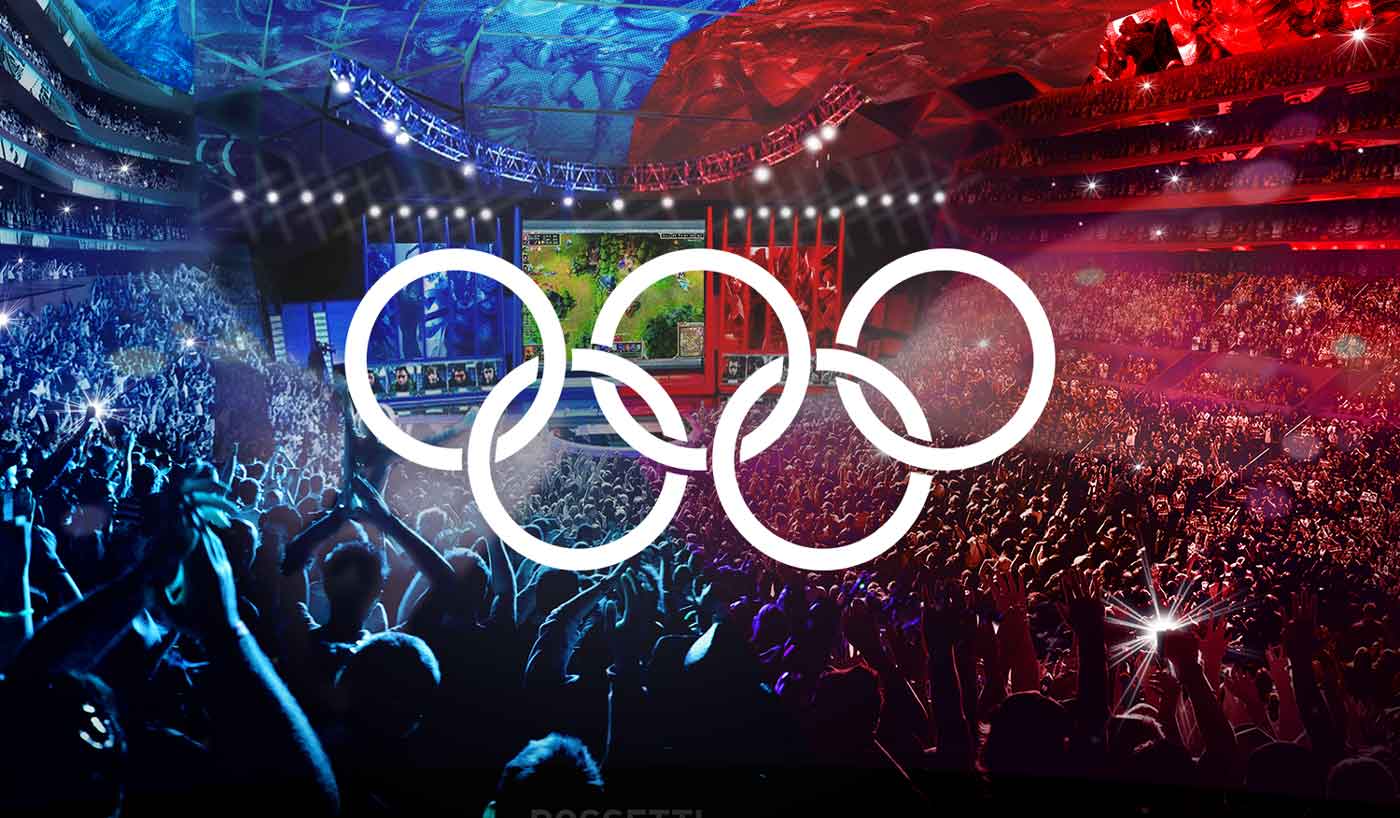
From Cafés to Stadiums
What started in internet cafés has expanded to international tournaments broadcast globally. Competitions such as League of Legends Worlds and Dota 2’s The International have achieved peaks of over six million viewers.
These figures rival major sports finals and form the foundation for the esports, where digital athletes are increasingly compared to Olympians.
A Turning Point: Olympic Digital Events
The International Olympic Committee (IOC) has steadily built its approach. In 2021 it launched the Olympic Virtual Series, followed in 2023 by the Olympic Esports Series. In July 2024, a partnership with Saudi Arabia was announced to host the Olympic Esports Games, and in February 2025 it was confirmed for Riyadh 2027.
Although no Olympic medals will be awarded, winners will receive trophies, marking a step toward recognizing within the Olympic movement.

Esports Athletes and Global Influence
Professional players such as Faker from South Korea and N0tail from Denmark have become international celebrities. These esports athletes earn millions in prize money and sponsorships, while also building massive online followings. Leading competitive gamers are now treated as professional sports figures, proving that the esports can highlight new generations of champions.
The Economic Power of the Esports Industry
Professional players such as Faker from South Korea and N0tail from Denmark have become international celebrities. These esports athletes not only earn millions but also act as cultural influencers with huge online followings. Leading players are now described as digital Olympians, showing how the spirit of the esports can be embodied by individuals who began as gamers.
Their stories inspire young audiences worldwide, proving that professional gaming is no longer a hobby but a legitimate career path.
Economic Growth of the Esports Industry
The esports industry is worth billions, powered by sponsorships, streaming rights, and merchandise. Brands such as Intel and Samsung are heavily invested. Analysts highlight how the esports industry continues to expand worldwide, making Olympic engagement inevitable. For the IOC, supporting the Olympic Esports Games is both a cultural and economic opportunity that strengthens the credibility of digital sports.
Countries are also beginning to invest in infrastructure, training academies, and scholarship programs that prepare young players for careers in this booming industry.

Esports Future: Integration With Tradition
Obstacles still exist. Esports lacks a global governing body, and game popularity shifts rapidly. Ethical debates about violent content and health risks related to long gaming hours raise questions. Doctors and educators have also voiced concerns about the physical and mental well-being of young players, pointing to issues like vision strain, lack of exercise, and even burnout among professionals. Several countries have started campaigns to promote healthier gaming habits, from limiting screen time for minors to encouraging balanced lifestyles that combine esports with physical activity.
Another challenge is cultural acceptance: while nations in Asia and the Middle East embrace esports quickly, others remain skeptical about considering it “real sport.” Overcoming these perceptions is crucial if the esports is to be widely embraced.
The esports Olympics is more than just another tournament—it represents a bridge between tradition and innovation. With the launch of the Olympic Esports Games in 2027, fans, esports athletes, and industry leaders will gather on one stage. Backed by the strength of the esports industry and the promise of the esports future, competitive gaming has secured its role in the evolution of global sport.
For young people worldwide, the first Olympic event in Riyadh will be more than a competition; it will be proof that their digital passion MAX Global.


