Italy One Euro House: Discover the Ultimate Dream You Can Actually Own

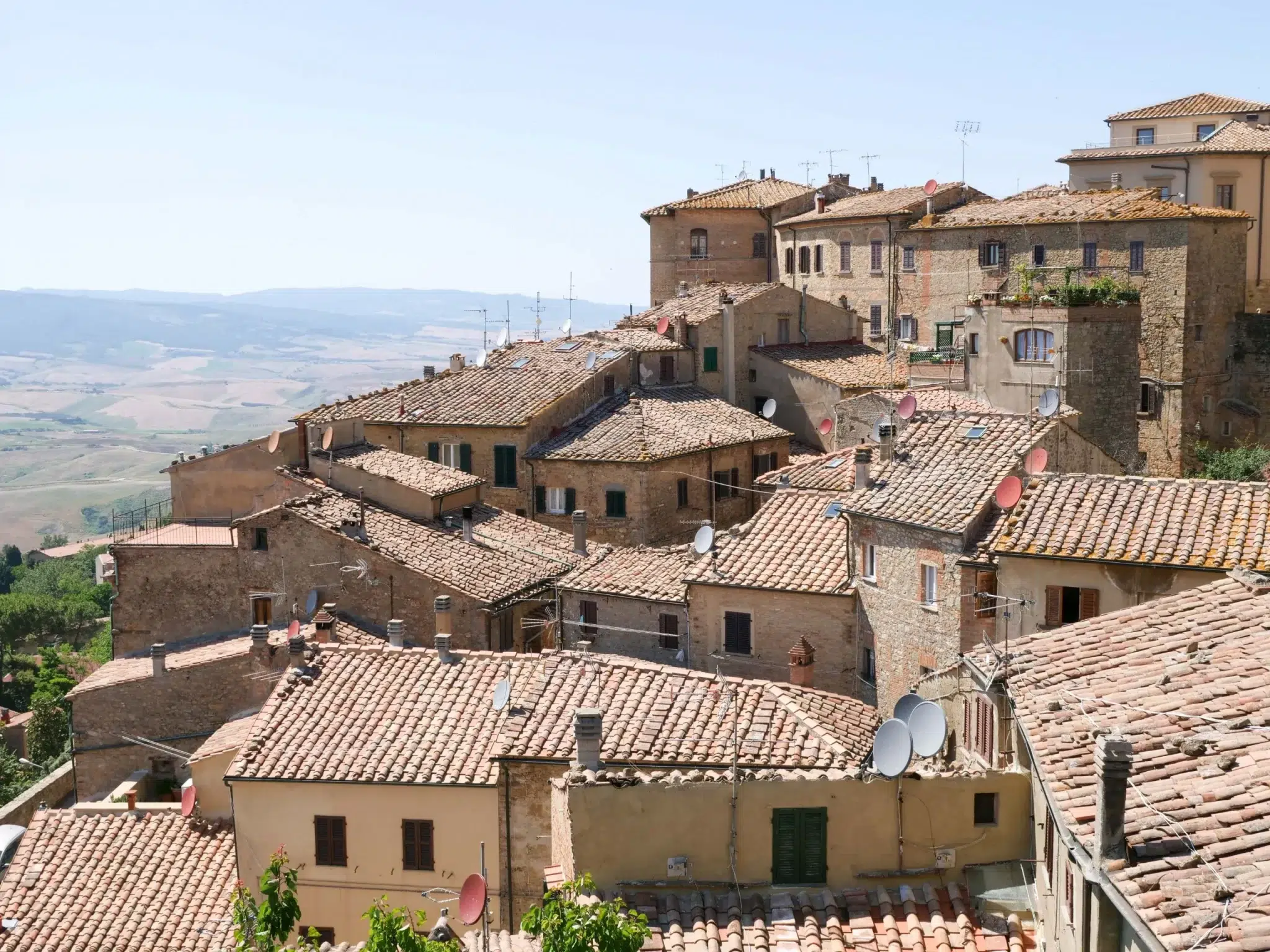
Max Global: Italy one euro house sounds like a fantasy, but for some, it’s a life-changing reality. Across the country, dozens of towns are selling abandoned homes for symbolic prices, hoping to revive once-forgotten streets. From remote Sicilian villages to hillside towns in the north, these offers have attracted global attention.
MAX Global brings you a closer look at how the Italy one euro house program works, the hidden costs, and real stories from people who took the plunge.

Why Italy Is Selling Homes for €1
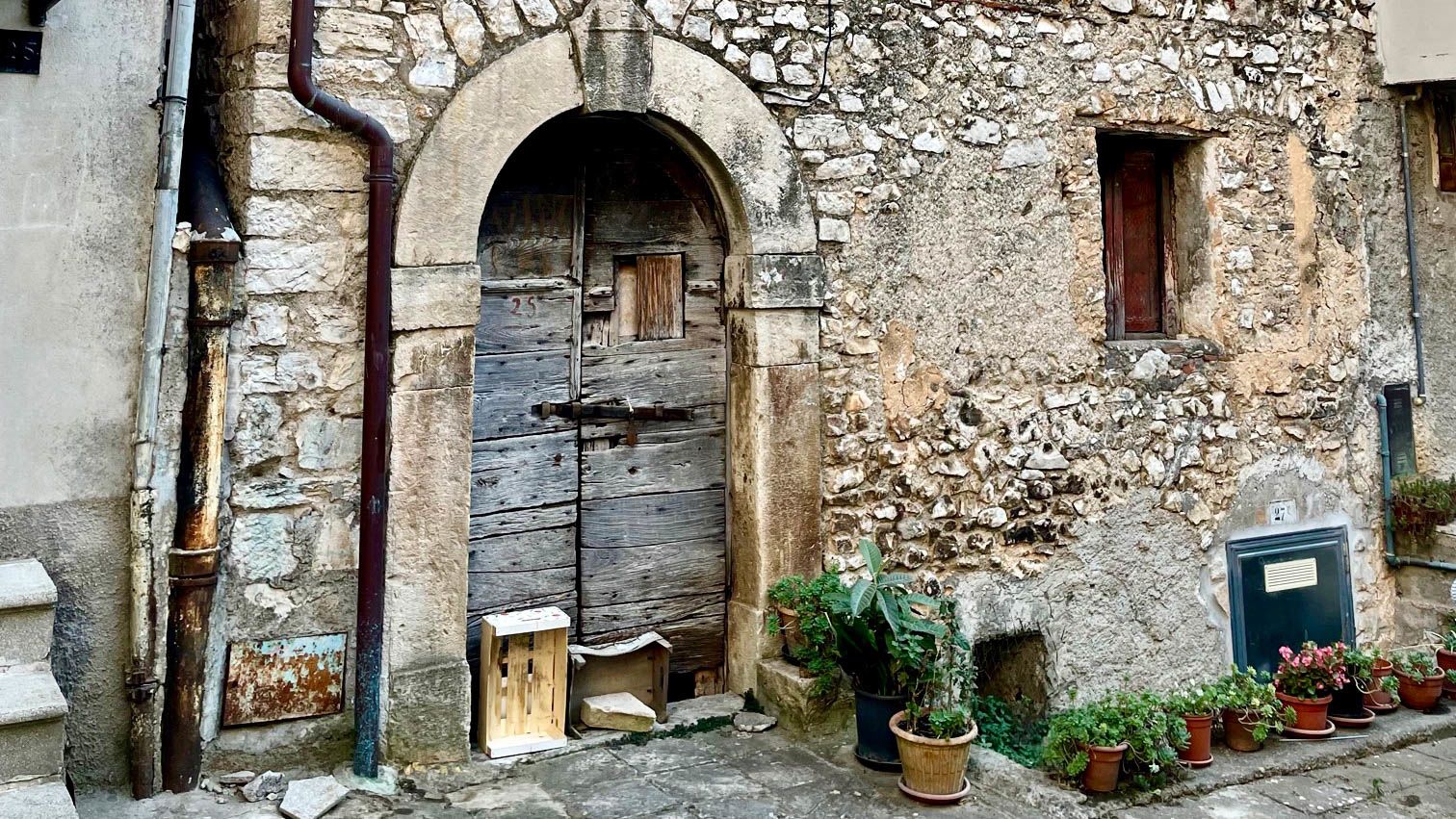
The Italy one euro house initiative started as a solution to rural depopulation. Over the last century, many young Italians moved to big cities or abroad, leaving behind homes that fell into disrepair. Rather than let them crumble, towns decided to sell them for a token price to anyone willing to restore them. The goal? Bring back life, create jobs, and preserve cultural heritage.
How the Program Works
Buying an Italy one euro house isn’t as simple as paying €1. Most towns require:
- An application through the municipal website or in person.
- A renovation plan submitted within a few months of purchase.
- A security deposit often between €1,000 and €5,000 refundable after the renovation is complete.
- Renovation within a set time frame, usually one to three years.
- Covering legal and notary fees, which can add several thousand euros.
Foreign buyers are welcome but must obtain an Italian tax code (Codice Fiscale) and, in some cases, meet residency requirements.
You might also like: Castles in Europe: Where Legends, Ghosts, and Dark Histories Collide
Real Costs Beyond €1
While the purchase price is symbolic, renovation costs are not. Depending on the property’s condition and the buyer’s ambitions, expenses can range from €20,000 for basic repairs to more than €100,000 for a complete luxury transformation.
In the Sicilian village of Motta d’Affermo, a British couple bought a crumbling home for less than £1. After months of searching for materials and working on renovations, they turned it into a charming rural retreat. Surrounded by olive groves and sea views, they now enjoy a peaceful life far from the city’s chaos.
Why People Take the Risk
For many, it’s not about getting a cheap house, it’s about buying into a lifestyle. Italy’s slower pace, rich culture, and scenic beauty make the effort worthwhile. The program also appeals to remote workers, retirees, and those looking for vacation rentals.

Is It Worth It?
An Italy one euro house can be a dream come true, but only if you’re prepared for the commitment. Between paperwork, restoration costs, and the patience needed to work with local contractors, it’s far from a quick project. Still, for those who see it through, the rewards are priceless: a restored home, a new life, and a story worth telling.

You may also enjoy: Best Cities Netherlands: 5 Dutch Gems Beyond Amsterdam
FAQ: Italy One Euro House Program
Can foreigners buy a one euro house in Italy?
Yes. Foreigners can buy a one euro house in Italy, but they must obtain an Italian tax code (Codice Fiscale) and follow the town’s application process. Some towns may have additional residency or renovation requirements.
What are the real costs of buying a one euro house?
While the purchase price is symbolic, buyers must pay for notary and legal fees, a refundable deposit, and full renovation costs. These renovations typically range from €20,000 to €100,000, depending on the property’s condition and your plans.
How long do I have to renovate the house?
Most towns require renovations to be completed within one to three years. If you miss the deadline, you may lose your deposit or ownership rights.
Do I have to live in the house permanently?
Not always. Some towns allow you to use the house as a holiday rental or second home, while others require partial or full-time residency. It depends on the specific program rules.
Why is Italy selling houses for €1?
The program was created to combat rural depopulation. By attracting new residents willing to restore abandoned properties, small towns aim to revive local economies and preserve their cultural heritage.
Owning an Italy one euro house can be a rewarding experience, but it’s not a shortcut to a free home. Between paperwork, deposits, and significant renovation costs, it requires commitment, patience, and a passion for Italian life. For those willing to embrace the challenge, the result can be more than just a house, it’s a new chapter in a unique and beautiful setting.