Winter Olympics 2026: Full Guide for Everything You Need to Know

Max Global: The Winter Olympics 2026, officially the XXV Olympic Winter Games Milano Cortina 2026, will bring around 2,900 athletes from more than 90 countries to northern Italy for 19 days of competition in February 2026. With 116 medal events across eight sports and 16 disciplines, it is set to be one of the largest and most gender-balanced Winter Games so far.
MAX Global brings you a clear, reference-style guide to Winter Olympics 2026—where it takes place, what is on the program, and how you can follow it.
Where will Winter Olympics 2026 take place?
The Winter Olympics 2026 are jointly hosted by Milan and Cortina d’Ampezzo in northern Italy, with competition sites spread across several Alpine regions:
Milan cluster
Milan, the largest city in the host region, will stage most ice sports, including figure skating, speed skating, short track, and parts of ice hockey. The iconic San Siro Stadium (Stadio Giuseppe Meazza) will host the opening ceremony.
Cortina d’Ampezzo cluster
Cortina, already a historic Winter Games host from 1956, will welcome alpine skiing events, curling, and sliding sports such as bobsleigh, luge, and skeleton at specialized mountain venues.
Valtellina cluster (Bormio and Livigno)
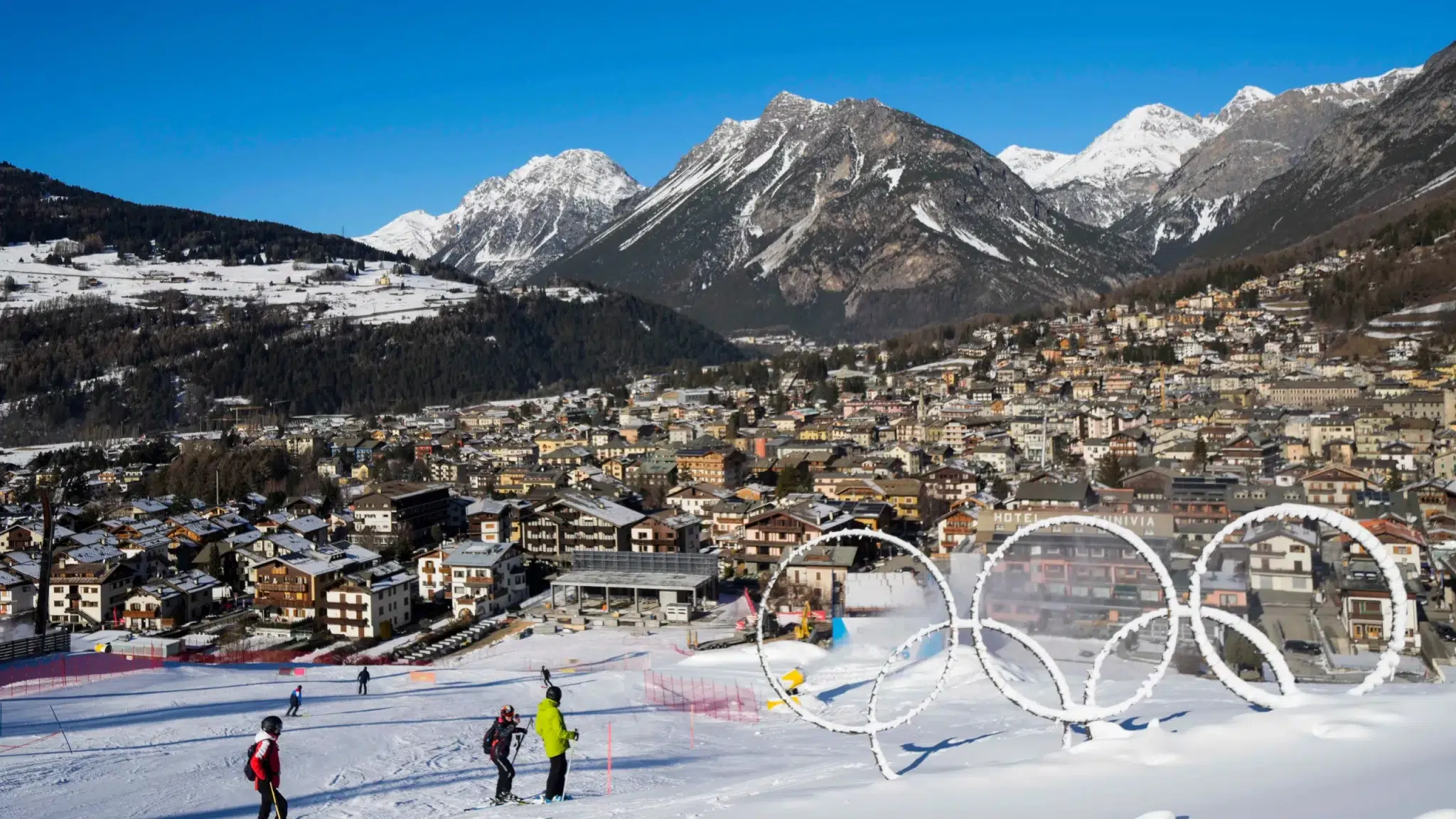
In Bormio, steep downhill courses will be used for men’s alpine skiing, while Livigno becomes a major stage for freestyle skiing and snowboard events, including halfpipe, slopestyle, big air, and cross races.
Val di Fiemme and Antholz-Anterselva
Val di Fiemme hosts Nordic disciplines such as cross-country skiing, ski jumping, and Nordic combined, while Antholz-Anterselva is the home of biathlon, drawing on its long World Cup tradition.
Verona
The Arena di Verona, a Roman amphitheater, will serve as the spectacular setting for the closing ceremony, turning a historic monument into a modern stage for the final night of the Games.
Organizers emphasize that about 85% of the competition venues are existing or temporary, a key part of Milano Cortina 2026’s sustainability and legacy approach, which focuses on using world-class facilities that northern Italy already has.
Key dates for Winter Olympics 2026
The official competition window for Winter Olympics 2026 runs from February 6 to February 22, 2026, covering 19 days of events:
- Opening ceremony:
– February 6, 2026, at San Siro Stadium in Milan. - Closing ceremony:
February 22, 2026, at the Arena di Verona. - Competition days:
– Medal events and preliminary rounds are spread across all 19 days.
– Some sports, such as curling or ice hockey, can begin competition slightly before the opening ceremony to fit full tournament schedules.
The full day-by-day schedule, including start times and medal events, is published and continuously updated on the official Milano Cortina 2026 schedule and results pages.
Sports, disciplines, and what they involve
The sports program at Winter Olympics 2026 includes eight sports and 16 disciplines, with 116 medal events on ice and snow.
Below is an overview of the main disciplines and what they involve:
Alpine Skiing
High-speed and technical races—downhill, super-G, giant slalom, slalom, and combined—on steep prepared slopes, testing edge control, speed, and risk-taking.
Cross-Country Skiing
Distance races on rolling snow courses using classic and freestyle techniques, ranging from sprints to long mass-start events and relays.
Nordic Combined
A blend of ski jumping and cross-country skiing. Athletes jump first, and their scores set staggered start times for a cross-country race, turning style points into time gaps.
Ski Jumping
Athletes launch from large towers and are scored on distance and style. Events include individual and team competitions on normal and large hills.
Biathlon
Cross-country skiing combined with rifle shooting at targets. Missed shots add time penalties or extra skiing loops, making pacing and focus as important as speed.
Freestyle Skiing
Trick-based disciplines such as aerials, moguls, dual moguls, halfpipe, slopestyle, and ski cross. These events mix acrobatics, technical skill, and head-to-head racing.
Snowboard
Includes halfpipe, slopestyle, big air, snowboard cross, and parallel events. Riders perform high-flying tricks or race directly against each other on banked and gated courses.
Figure Skating
Singles, pairs, and ice dance events where skaters are judged on jumps, spins, footwork, and choreography performed to music.
Speed Skating (Long Track)
Races on a 400-meter oval ice track, from 500-meter sprints to team pursuit. Athletes skate in pairs, racing against the clock.

Short Track Speed Skating
High-speed racing on a smaller indoor oval with multiple skaters at once, where tactics, position, and timing are crucial.
Ice Hockey
Men’s and women’s national teams compete in tournament formats, with fast, physical games on full-size ice rinks.
Curling
Teams slide granite stones on ice toward a target area, using sweeping to control the stone’s speed and curve. Events include men’s, women’s, and mixed doubles tournaments.
Bobsleigh
Two- and four-person sleds race down an iced track, reaching very high speeds while pilots steer and crews provide explosive starts.
Luge
Athletes lie on their backs, feet-first, on small sleds and race solo or in doubles. Runs are timed to the thousandth of a second.
Skeleton
Similar to luge but head-first on a different sled design. Athletes sprint at the start, then dive onto the sled and steer with subtle body movements.
Ski Mountaineering (SkiMo)
Making its Olympic debut, ski mountaineering combines uphill “skinning” with climbing sections on foot and technical downhill skiing, using lightweight equipment for fast transitions.
Together, these disciplines keep the traditional core of the Winter Games while adding new formats that reflect how winter sports are evolving.
New events and changes in the Winter Olympics 2026 program
Milano Cortina 2026 introduces several noteworthy additions and adjustments to the Winter Games program while keeping the overall athlete quota at about 2,900 competitors:
Olympic debut of Ski Mountaineering
Ski mountaineering is the only brand-new sport at Winter Olympics 2026. The Olympic program features three events: a women’s sprint, a men’s sprint, and a mixed-gender relay. These races combine uphill sections, short on-foot climbs, and fast downhill skiing in a compact, spectator-friendly format.
More women’s events
The event program now includes women’s large hill ski jumping and women’s doubles luge, putting women on equal footing with men in these disciplines and expanding the number of women’s medal events.
Additional mixed-gender competitions
A mixed team skeleton event joins the sliding sports, and mixed events appear in several other disciplines, helping push the Games toward gender balance.
Record gender balance
Overall, Milano Cortina 2026 is designed to be the most gender-balanced Winter Olympics in history, with women expected to represent about 47% of the athletes, competing in 50 women’s events and 12 mixed events out of 116 total.
These changes mean Winter Olympics 2026 will showcase more women’s competitions, more mixed races, and a new mountain endurance sport, aligning with the broader Olympic agenda on gender equality and modernization.

Athletes, nations, and qualification
According to the International Olympic Committee, the overall quota for Winter Olympics 2026 is set at roughly 2,900 athletes, spread across 116 medal events.
Number of nations and athletes
More than 90 National Olympic Committees (NOCs) are expected to send teams to Milano Cortina.
The athlete pool is structured to keep gender participation close to parity, in line with the 47% target for women.
How qualification works
Each sport has its own qualification system, designed and managed by the relevant international federation.
Common pathways include world rankings, World Cup circuits, world championships, and continental qualifiers, with quotas allocated by performance.
The result is a field that brings together established winter-sport powers and emerging nations, all competing under standardized qualification and anti-doping rules set by the Olympic system and international federations.
Sustainability, venues, and the regional hosting model
Milano Cortina 2026 uses a regional hosting model that spreads the Games across multiple Alpine territories while relying heavily on existing facilities:
High reuse of venues
Organizers estimate that about 85% of the competition venues are existing or temporary, minimizing new construction and reducing environmental impact. Many ski slopes and arenas already host World Cup and world championship events.
Four main competition clusters plus Verona
The Milan, Cortina, Valtellina, and Val di Fiemme/Antholz clusters are located across several provinces, with Verona added for the closing ceremony. This spreads visitor traffic and encourages regional tourism rather than concentrating all activity in a single city.
Legacy planning
Olympic villages and key venues are planned with post-Games uses in mind, such as housing, university facilities, and year-round sports tourism, aiming to leave long-term benefits in host communities rather than short-term mega-structures.
This model makes Winter Olympics 2026 not just a sports event, but also a case study in how multi-city Games can be organized with sustainability and legacy in focus.
How to watch and follow Winter Olympics 2026
Broadcast and streaming rights for Winter Olympics 2026 are allocated by territory, but some major patterns are already clear from IOC and broadcaster announcements:
Global rights framework
The International Olympic Committee owns the media rights and licenses them region by region to broadcasters and streaming platforms.
United States
NBCUniversal holds the rights through 2032, with coverage of the 2026 Games across NBC channels and comprehensive live streaming on Peacock.
Europe and the United Kingdom
Across Europe, Olympic rights from 2026 to 2032 are shared between the European Broadcasting Union (EBU) and Warner Bros. Discovery, meaning free-to-air coverage on public broadcasters (such as BBC, ARD/ZDF, RAI, RTVE and others) alongside full coverage on Eurosport and related streaming platforms.
Italy
In the host country, RAI provides free-to-air and digital coverage, while Eurosport and its parent company handle pay-TV and streaming coverage.
Australia
Australian viewers can follow the Games on the Nine Network, with streaming on 9Now and additional coverage on Stan Sport.
Germany and Spain
In Germany, ARD and ZDF carry the Games, while in Spain, RTVE provides free-to-air coverage, alongside broader European coverage on Eurosport.
For viewers in any country, the safest way to know exactly where to watch is to check local listings or consult the IOC’s media rights-holders directory, along with the official Milano Cortina 2026 schedule and results pages for real-time updates.
Summary
In summary, Winter Olympics 2026 in Milano Cortina bring together:
- A multi-city, regional hosting model spanning Milan, Cortina, Valtellina, Val di Fiemme, Antholz-Anterselva, and Verona.
- A modern program of eight sports, 16 disciplines, and 116 medal events, including the Olympic debut of ski mountaineering.
- A historic step toward gender balance, with 47% female participation and a record number of women’s and mixed-gender events.
- A heavy emphasis on existing venues, sustainability, and legacy planning across northern Italy.
For sports fans and general audiences alike, Winter Olympics 2026 offer a detailed, globally relevant snapshot of how the Winter Games are evolving — in their geography, in their sports, and in who gets to compete at the highest level.
Sources 1 2 3 4 5 6 7 8 9 10 11 12


