Epstein Files Exposed: What the New DOJ Release Shows

Max Global: The Epstein files have returned to the center of public attention after the U.S. Department of Justice released millions of records connected to Jeffrey Epstein, a convicted sex offender whose case continues to raise serious questions about power, accountability, and institutional failure. Far from offering closure, the newly disclosed material expands the public record with explicit evidence, internal communications, and details that underscore why the Epstein files remain one of the most disturbing document releases in recent U.S. history. MAX Global brings readers a full, verified account of what the files contain and why they still matter.
MAX Global brings readers a full account of what the Epstein files actually contain, based strictly on what has been disclosed by U.S. authorities and major international media.
A Massive Release Forced Into the Open
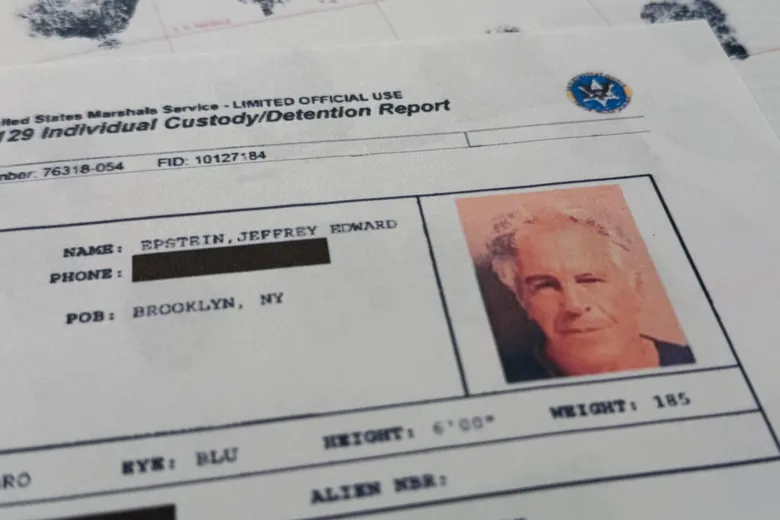
The U.S. Department of Justice released more than three million pages of documents under the Epstein Files Transparency Act, a law passed following sustained political pressure and signed into law in November. Deputy Attorney General Todd Blanche confirmed that the latest release includes records that were previously withheld from an earlier batch made public in December.
Officials said the total volume of material reviewed reached approximately 5.2 million pages when duplicate records were included. The Epstein files consist of emails, photographs, videos, interview transcripts, internal memos, and investigative records tied directly to the federal probe into Epstein’s activities.
Explicit Sexual Abuse and Exploitation
The Epstein files contain extensive references to sexual exploitation, including the abuse of minors, the trafficking of young women, and explicit sexual communications. According to the Justice Department, some of the video files are commercially produced pornographic material, while others appear to have been recorded or collected by Epstein and individuals within his inner circle.
Investigators described evidence showing coordinated travel arrangements for young women, sexually explicit messages, and documentation that prosecutors previously cited as proof of a systematic pattern of sexual abuse. Officials stressed that the sexual material included in the Epstein files reflects evidence gathered during criminal investigations.
Powerful Names Inside the Epstein Files
Numerous well-known figures appear throughout the Epstein files, though authorities caution that inclusion does not automatically indicate criminal wrongdoing.
Microsoft co-founder Bill Gates is referenced in emails that allege sexual relationships and attempts to conceal a sexually transmitted disease from his former wife following encounters with Russian women. Gates denied the allegations, with a spokesperson telling BBC News that the claims are false and defamatory.
Correspondence involving Prince Andrew shows that Epstein sought public statements defending him after his 2008 conviction for soliciting a minor. Emails from Sarah Ferguson, Prince Andrew’s former wife, include messages thanking Epstein for emotional support after that conviction. Newly released photographs depict Prince Andrew in close physical proximity to unidentified women. British Prime Minister Keir Starmer later stated that Prince Andrew should cooperate with U.S. authorities if formally requested, emphasizing accountability and a victim-centered approach.

Intelligence References and Political Proximity
The Epstein files include email exchanges between Epstein and former Israeli Prime Minister Ehud Barak that explicitly reference the Israeli intelligence agency Mossad. In one message, Epstein asked Barak to publicly clarify that he was not working on behalf of Mossad. In another, Epstein mentioned media speculation about so-called “dirty investigations” involving former intelligence agents. Barak did not directly deny the claims, instead requesting private communication.
Unanswered Questions About Epstein’s Death
Documents released by the Justice Department also include internal communications between investigators regarding Epstein’s death in a New York detention facility in August 2019. One investigator noted that Epstein’s final written message did not resemble a suicide note, despite multiple official inquiries later concluding that his death was a suicide.
The files detail serious failures at the detention center, including malfunctioning surveillance cameras and missed cell checks at 3:00 and 5:00 a.m. on the night of Epstein’s death. Records further describe how prison staff used decoy materials to mislead journalists during the removal of Epstein’s body.
Political Messaging and Media Strategy
The Epstein files show frequent communication between Epstein and Steve Bannon, a senior adviser to President Donald Trump, in the months leading up to Epstein’s death. Messages discuss politics, international travel, and a proposed documentary project reportedly intended to improve Epstein’s public image.
Other records reference discussions involving then-President Trump and Federal Reserve Chair Jerome Powell, including conversations about potential dismissal threats. Epstein also exchanged messages with former White House official Kathy Ruemmler, who later said her relationship with Epstein was strictly professional and that she regrets the association.

International Consequences
The impact of the Epstein files extended beyond the United States. Norwegian media reported that Crown Princess Mette-Marit’s name appeared repeatedly in the documents, connected to a 2013 stay at Epstein’s Palm Beach residence. Norwegian royal officials confirmed the visit but denied that she ever traveled to Epstein’s private island.
In Slovakia, former foreign minister Miroslav Lajčák resigned after local media published alleged chat messages suggesting Epstein offered young women. Lajčák denied the allegations but stepped down amid political pressure.
Ghislaine Maxwell and Operational Evidence
Documents reviewed by BBC News include Ghislaine Maxwell’s U.S. naturalization certificate, which listed Epstein’s private island as her residence and identified her occupation as his manager. Additional records detail FBI inquiries into Maxwell’s helicopters and include booking photographs from her detention in 2020 on charges related to the sexual exploitation and trafficking of minors.
What Remains Hidden
Despite the scale of the release, large portions of the Epstein files remain redacted. Todd Blanche said withheld material includes identifying information of victims, medical records, explicit child sexual abuse material, and content that could compromise ongoing investigations.
Women’s faces were obscured in most released images, except in the case of Maxwell. Men’s faces were generally left visible unless redaction was necessary to protect victims. Access to the Epstein files on the Justice Department’s website requires users to confirm they are at least 18 years old.
Why the Epstein Files Still Matter
Survivors of Epstein’s abuse criticized the release, arguing that it exposes victims while continuing to shield powerful individuals. According to The New York Times, 18 victims issued a joint statement accusing authorities of failing to deliver meaningful accountability.
The Epstein files do not close the case. Instead, they document years of sexual exploitation, explicit conduct, political proximity, and institutional neglect. As millions of records enter the public domain, the files stand as a permanent reminder that secrecy may delay justice—but it does not erase the record.


