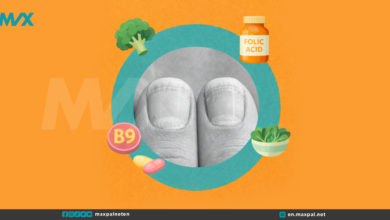
Seasonal Depression Vitamins: Winter Nutrients That Matter

Max Global: Winter can change more than your schedule. For some people, the darker months bring a predictable shift in mood, sleep, appetite, and motivation. Seasonal affective disorder (SAD) is a type of depression characterized by a recurring seasonal pattern, with symptoms lasting about 4–5 months out of the year. In many cases, symptoms begin in the fall and continue into the winter months, then improve in the spring and summer. If you have been searching for seasonal depression vitamins, the most helpful starting point is understanding what evidence-based care looks like and where nutrition can genuinely support overall health.
MAX Global brings you a source-based guide to the nutrients most often discussed in winter mood support plus practical guardrails for safer supplement decisions.

Recognizing winter-pattern SAD
The National Institute of Mental Health (NIMH) explains that SAD can affect how a person feels, thinks, and behaves, and that symptoms include those associated with depression as well as disorder-specific symptoms that differ between winter-pattern and summer-pattern SAD. Not everyone experiences the same set of symptoms, and severity can vary widely. Mayo Clinic notes that symptoms often start in the fall and can worsen as the season progresses. If low mood, low energy, or sleep changes persist and interfere with day-to-day life, a professional evaluation can help clarify what is driving your symptoms and what options are most likely to help.
Seasonal depression vitamins: what official sources actually support
A magazine-style winter wellness roundup highlighted vitamin D, several B vitamins, omega-3 fats, zinc, and magnesium as nutrients worth paying attention to during the darker months. That list matches common search intent in the U.S.: people want a low-risk way to support energy, sleep, and resilience.
Official guidance adds two guardrails. First, supplements tend to be most useful when they address a real gap such as low intake, a restricted diet, or an identified deficiency. Second, supplements can create problems when people “stack” multiple products or take high doses without a plan. The U.S. Food and Drug Administration (FDA) advises consumers to talk with a doctor, pharmacist, or other health care professional before using dietary supplements, and to bring up all supplements they take during medical visits because some supplements can interact with medicines or other supplements.
Vitamin D: the daylight-linked nutrient
The NIH Office of Dietary Supplements (ODS) notes that vitamin D supports health in several ways, including helping the body absorb calcium, one of the main building blocks for strong bones. Because winter often means less time outdoors and less sunlight exposure for many people, vitamin D is usually the first nutrient people ask about when they search seasonal depression vitamins.
The safety point matters: ODS notes that getting too much vitamin D can be harmful, and that high blood levels are almost always caused by consuming excessive amounts from dietary supplements. If vitamin D status is a concern, discussing a blood test and a supplement plan with a clinician is the most responsible route especially before taking high-dose products.

B vitamins: steady energy metabolism and healthy cells
B vitamins show up in almost every winter wellness conversation, but NIH ODS consumer fact sheets describe them primarily in terms of energy metabolism and normal cell function:
- Thiamin (vitamin B1) helps turn the food you eat into the energy you need and supports the growth, development, and function of the cells in your body.
- Riboflavin (vitamin B2) is important for the growth, development, and function of the cells in your body and also helps turn food into energy.
- Niacin (vitamin B3) helps turn the food you eat into the energy you need and is important for the development and function of the cells in your body.
- Vitamin B6 is naturally present in many foods; the body needs it for more than 100 enzyme reactions involved in metabolism, and it is also involved in immune function.
- Folate (vitamin B9) is naturally present in many foods; your body needs folate to make DNA and other genetic material, and your body also needs folate for your cells to divide. A form of folate called folic acid is used in fortified foods and most dietary supplements.
- Vitamin B12 is a nutrient that helps keep your body’s blood and nerve cells healthy and helps make DNA, the genetic material in all of your cells.
For readers looking for seasonal depression vitamins that feel practical, the “B vitamin” message is consistency: a varied diet first, and supplements when there is a clear reason (such as a clinician-documented deficiency or a dietary pattern that makes adequate intake difficult).
Vitamins A, C, and E: keep the “antioxidant” talk accurate
In that same magazine roundup, vitamins A, C, and E were grouped as winter-support nutrients. Official sources let us be more precise.
NIH ODS notes that vitamin C acts as an antioxidant, helping to protect cells from damage caused by free radicals. ODS also notes that vitamin E acts as an antioxidant, helping to protect cells from damage caused by free radicals. Vitamin A, according to ODS, is important for normal vision, the immune system, reproduction, and growth and development, and it also helps your heart, lungs, and other organs work properly.
For most people, the best takeaway is not “buy three more bottles.” It is to avoid nutrition tunnel vision. If winter eating becomes repetitive fewer fruits and vegetables, fewer varied proteins your first step is to diversify your food choices. Supplements can be useful when they fill a real gap, but they are not a substitute for overall dietary quality.

Omega-3 fatty acids: essential fats, modest evidence for depression treatment
ODS explains that omega-3 fatty acids are found in foods (such as fish and flaxseed) and in dietary supplements (such as fish oil). The three main omega-3s are ALA, EPA, and DHA; ALA is found mainly in plant oils such as flaxseed, soybean, and canola oils, while DHA and EPA are found in fish and other seafood.
Many people include omega-3 in a seasonal depression vitamins plan because omega-3s are widely discussed in relation to health, including brain health. But when omega-3 is used specifically as a treatment for major depressive disorder, a Cochrane evidence review reports any benefit compared with placebo appears small and is unlikely to be meaningful for many people, with low or very low certainty evidence. The practical implication: omega-3s can fit well into a health-forward diet, but they should not be treated as a stand-alone treatment for clinically significant depression.
Zinc and magnesium: two minerals people often overlook
NIH ODS materials describe zinc as a nutrient found in cells throughout the body that helps the immune system fight off invading bacteria and viruses; the body also uses zinc to make DNA and proteins, and zinc supports growth and development in key life stages. For magnesium, the ODS health professional fact sheet notes that magnesium is a cofactor in more than 300 enzyme systems and is involved in diverse biochemical reactions, including muscle and nerve function, blood glucose control, and blood pressure regulation. ODS also notes magnesium is naturally present in many foods, added to others, available as a dietary supplement, and present in some medicines.
These minerals often appear alongside seasonal depression vitamins in search results because winter fatigue and poor sleep can push people to look for a “missing piece.” The safer approach is to think in terms of overall nutrition and documented deficiencies rather than assuming a mineral is the answer based only on symptoms.
A safer supplement strategy and when to think beyond supplements
For winter-pattern SAD, the most effective plan is rarely “supplements only.” Mayo Clinic notes that treatment for SAD may include light therapy, psychotherapy, and medications. Supplements can fit inside a larger plan, but they work best when you are careful about total intake and interactions.
The FDA’s practical advice is straightforward: talk with a health care professional before using supplements, especially if you take medications or plan to combine multiple products. Avoid stacking several “mood,” “sleep,” and “energy” formulas at the same time, because overlapping ingredients can push totals higher than expected.
Bottom line: seasonal depression vitamins can be useful when they help you correct real nutrient gaps and build healthier winter routines. Combine that with evidence-based care when symptoms are persistent or disruptive, and you give yourself the best chance to feel steady until the season turns.
Sources 1 2 3 4 5 6 7 8 9 10 11 12 13 14 15 16 17 18 19