How to Whiten Yellow Pillows and Make Them Look New Again

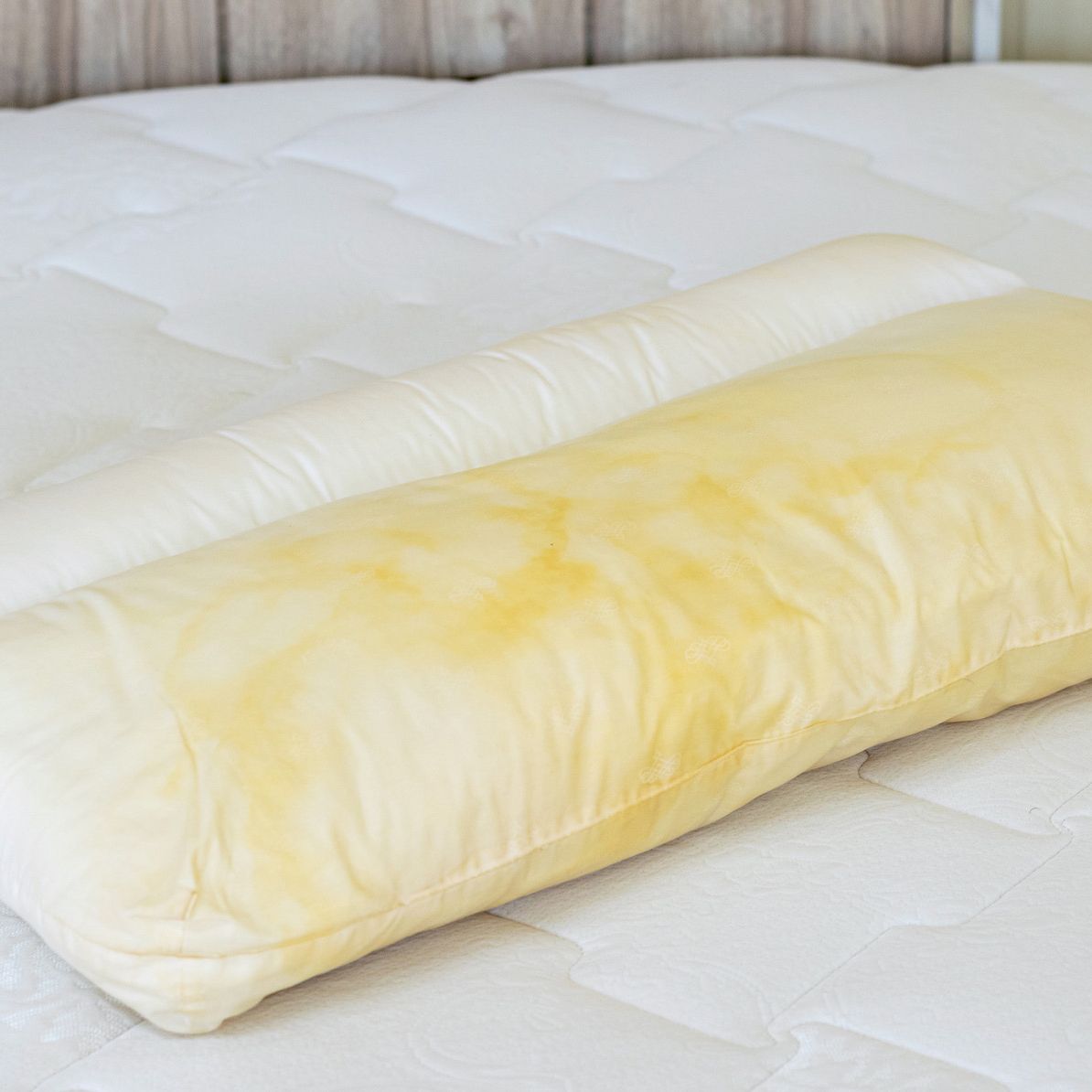
Max Global: At some point, almost everyone looks at their favorite pillow and notices it has gone from crisp white to a dull, yellowish shade. That discoloration is usually the result of sweat, natural body oils, drool, and even hair and skincare products soaking through the pillowcase over time. Cleaning and bedding experts note that this buildup does not just look unpleasant – it can also trap odors and allergens, which is a strong reason to refresh your pillows instead of ignoring the stains. The good news is that you do not always have to throw them away: with a careful routine, you can whiten yellow pillows and make them feel much closer to new.
Max Global walks you through why pillows turn yellow, how to whiten yellow pillows safely step by step, and how to keep them looking bright for longer.
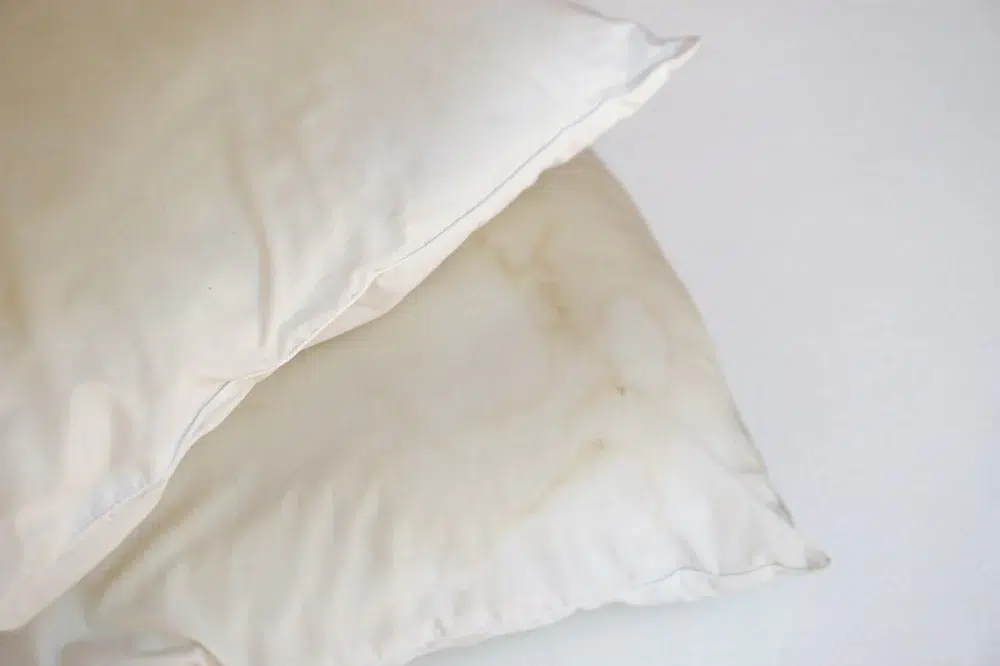
Why pillows turn yellow over time
Yellow stains on pillows are usually a sign of everyday use, not a permanent disaster. Bedding and cleaning specialists highlight a few main causes that make pillows gradually change color:
- Sweat and body oils: As you sleep, sweat and natural oils from your skin and hair soak into the pillow and pillowcase. Over time they oxidize and leave yellow or brown stains.
- Saliva and drooling: If you sometimes drool while sleeping, saliva can penetrate the pillowcase and reach the filling, and its proteins and enzymes can contribute to discoloration.
- Wet hair and skincare products: Going to bed with damp hair, or with lotions, creams, and makeup that have not fully absorbed, also adds moisture and residues that can stain the fabric.
If pillows are not washed regularly, this buildup becomes more visible and can affect freshness and comfort. Many home-cleaning guides now recommend washing most pillows every three to six months, as long as the care label allows it.
Before you start: check the care label and pillow type
Before you try any method to whiten yellow pillows, it is essential to read the care instructions on your pillow. Not every pillow can go straight into a hot wash:
- Many polyester fiberfill and other synthetic pillows, along with some down or feather pillows, can usually be machine-washed if the label confirms it. These typically tolerate a gentle cycle and warm or hot water within the temperature range listed.
- Solid memory foam and many latex pillows should not be machine-washed or fully submerged, because water and agitation can damage the foam. These usually need spot-cleaning or surface cleaning only.
If the label clearly says “dry clean only” or “spot clean only,” do not use a hot-water soak. For machine-washable pillows that allow hot water and bleach or bleach alternatives, the whitening recipe below can be very effective when used carefully.
The whitening recipe for yellow pillows
A popular whitening solution – shared by home-care sites and DIY laundry guides, including a method popularized by the cleaning blog One Good Thing – uses a combination of powdered laundry detergent, powdered dishwasher detergent, chlorine bleach or an oxygen-based bleach, and borax in very hot water.
For two standard-size machine-washable white pillows, you will need:
- 1 cup powdered laundry detergent
- 1 cup powdered dishwasher detergent
- 1 cup chlorine bleach or a suitable bleach alternative (only if your pillow’s care label allows bleach)
- 1/2 cup borax (used as a laundry booster)
- The hottest water your washing machine and the pillow’s care label safely allow
This mixture is intended for white pillows only. Do not use chlorine bleach on colored pillows or pillows with colored piping or trims unless the label clearly says it is safe.

Step-by-step: how to whiten yellow pillows
1. Pre-soak the pillows in hot water
The first step to whiten yellow pillows is to give them a hot-water soak so the whitening solution can start breaking down sweat and body oils:
Fill your washing machine drum or a large tub about one-third full with very hot water, staying within the temperature limits on the care label. If your home’s hot water is not very hot, some guides suggest heating water in a large pot and carefully adding it to the washer or tub.
In a separate container, mix the powdered laundry detergent, powdered dishwasher detergent, borax, and bleach into some of the hot water, and stir until everything is dissolved.
Pour this solution into the washer or tub and agitate briefly so it spreads evenly through the water.
Place the pillows into the hot solution and submerge them completely. Let them soak for about 30 minutes, turning them over halfway through the soak to make sure they are fully saturated inside and out. This soak begins the process to whiten yellow pillows by loosening body oils and residues.
Step-by-step: how to whiten yellow pillows
1. Pre-soak the pillows in hot water
The first step to whiten yellow pillows is to give them a hot-water soak so the whitening solution can start breaking down sweat and body oils:
- Fill your washing machine drum or a large tub about one-third full with very hot water, staying within the temperature limits on the care label. If your home’s hot water is not very hot, some guides suggest heating water in a large pot and carefully adding it to the washer or tub.
- In a separate container, mix the powdered laundry detergent, powdered dishwasher detergent, borax, and bleach into some of the hot water, and stir until everything is dissolved.
- Pour this solution into the washer or tub and agitate briefly so it spreads evenly through the water.
Place the pillows into the hot solution and submerge them completely. Let them soak for about 30 minutes, turning them over halfway through the soak to make sure they are fully saturated inside and out. This soak begins the process to whiten yellow pillows by loosening body oils and residues.
2. Run a full wash cycle with an extra rinse if possible
After the soak, run a full wash cycle on the hottest setting allowed for the pillow. For top-loading machines, you can keep the pillows in the drum; for front-loading machines, you may need to soak in a separate tub first and then transfer the pillows into the washer.
Many cleaning experts recommend adding an extra rinse cycle so there is no detergent, bleach, or borax left inside the filling. This helps keep the pillow comfortable and reduces the chance of residue irritating sensitive skin.
3. Dry the pillows thoroughly
Once the wash and rinse cycles are finished, drying properly is just as important as washing. Check the care label to see whether the pillow can go in a tumble dryer. Many synthetic and some down pillows can be dried on a low or medium heat setting; certain materials may require air drying only.
If tumble-drying is allowed, add a couple of dryer balls or clean tennis balls in socks to help fluff the filling and prevent clumping. Make sure the pillow is completely dry all the way through before you use it again—any trapped moisture can lead to odors or mildew. Used correctly, this hot-water soak and wash cycle can whiten yellow pillows dramatically, especially if the stains are from sweat and body oils.
Safety tips when using bleach and borax
Chlorine bleach and borax are common laundry helpers, but they need to be handled with care. Never mix bleach with products that contain ammonia or strong acids, because this can release harmful gases such as chloramine or chlorine gas. Work in a well-ventilated area, avoid breathing in dust from powdered products, and follow the safety instructions printed on every package.
Borax is an effective laundry booster, but it is alkaline and can irritate the skin, eyes, and respiratory system in its undiluted form, especially if dust is inhaled. If your skin is sensitive, it is a good idea to wear rubber or cleaning gloves when you use this whitening recipe on your pillows and to wash your hands after handling powdered detergents, bleach, or borax.
Store all cleaning products out of reach of children and pets, and never transfer them into unlabelled containers that could be mistaken for food or drink.
How to keep pillows whiter for longer
Whitening yellow pillows is useful, but preventing heavy staining in the first place saves time and effort. A few simple habits can make a big difference:
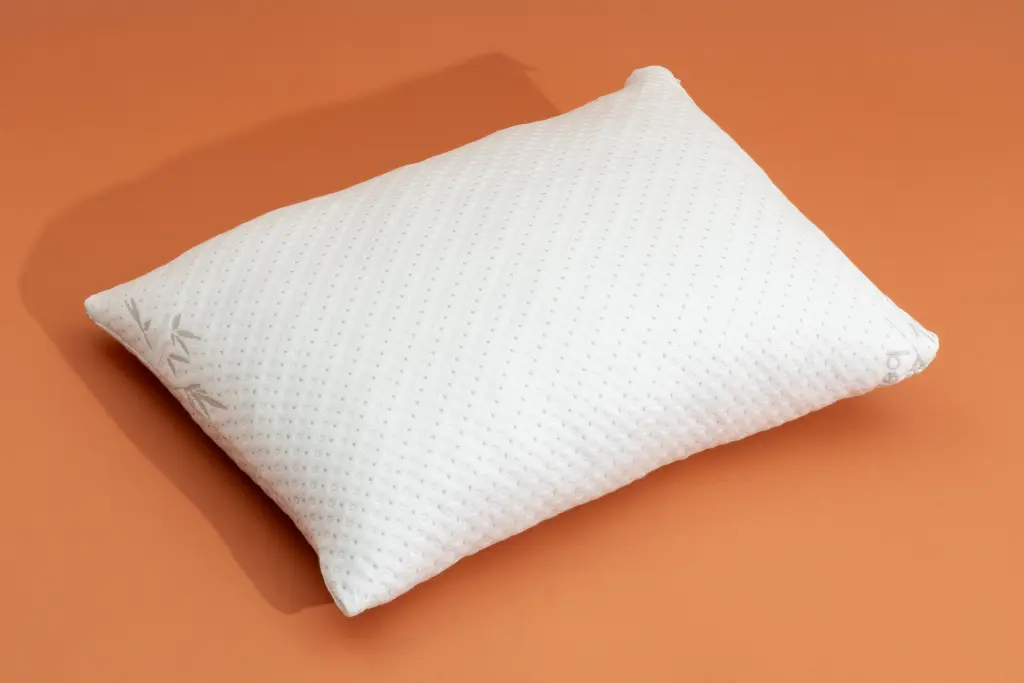
- Use zippered pillow protectors under your pillowcases to add an extra barrier against sweat and oils.
- Wash pillowcases and protectors regularly—ideally weekly—to stop buildup from reaching the pillow itself.
- Follow a regular pillow-washing schedule: for most machine-washable pillows, aim to wash them every three to six months, or sooner if you notice visible yellowing or odors.
- Go to bed with a clean, dry face and hair so fewer products and less moisture transfer onto the fabric overnight.
By combining these everyday habits with an occasional deep-clean using this whitening wash, you can keep your pillows looking brighter, smelling fresher, and feeling more comfortable for a longer time. When you do need to whiten yellow pillows again, the stains will usually be lighter and the process will be quicker and more effective.


