Homemade Mayonnaise: Easy, Fresh, and Better Than Store-Bought

Max Global: Homemade mayonnaise has become increasingly popular among home cooks who want fresher flavor, cleaner ingredients, and full control over taste and texture. Instead of relying on commercial jars filled with preservatives, making mayonnaise at home allows you to create a smooth, rich sauce using simple pantry staples.
MAX Global brings you a clear, practical guide to preparing homemade mayonnaise in several styles, along with storage tips and everyday uses.
Unlike many store-bought options, homemade mayonnaise can be customized to your preferred thickness, acidity, and flavor profile. Whether you enjoy it classic and creamy, bold with garlic, or lighter for everyday meals, this versatile sauce can elevate countless dishes with minimal effort.
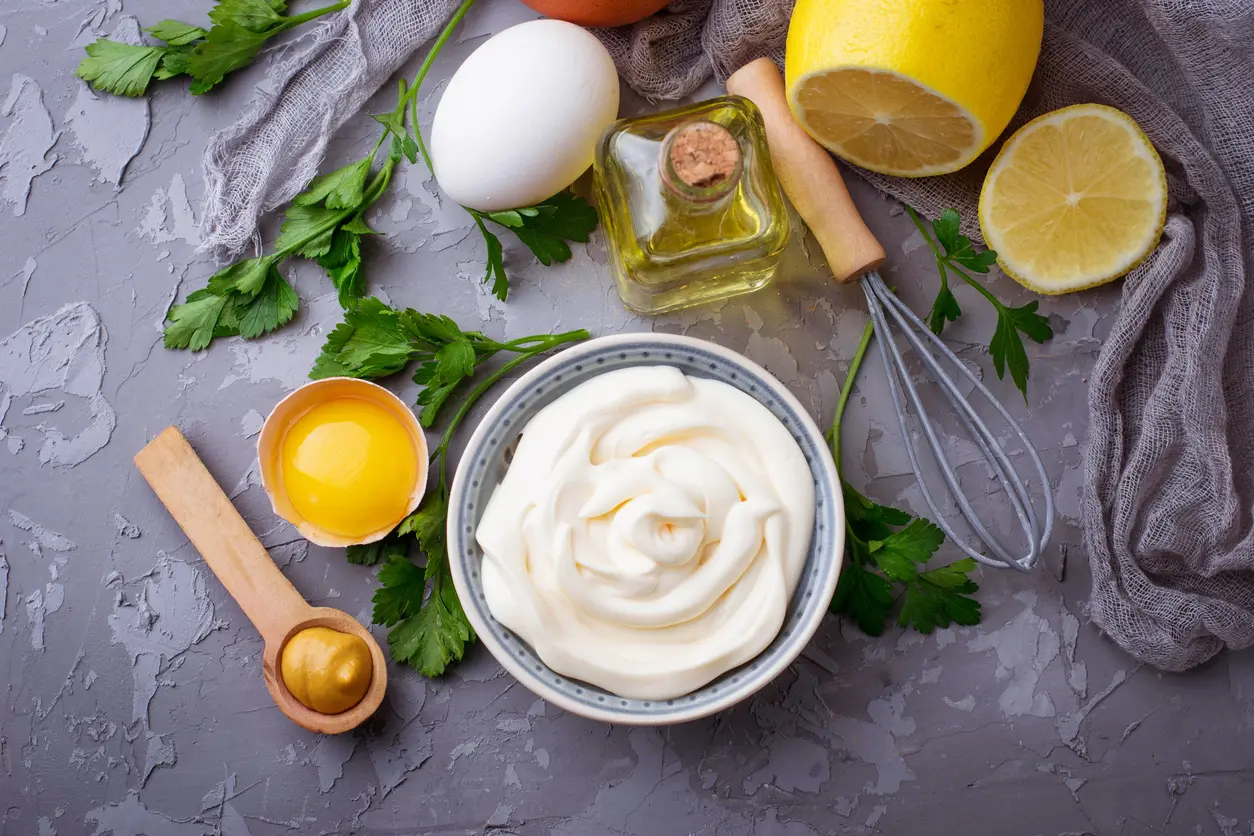
Why Homemade Mayonnaise Is Worth Making
Mayonnaise is more than just a sandwich spread. It acts as a flavor enhancer and texture booster across a wide range of recipes. When prepared at home, it offers several advantages:
- Fresher taste with no artificial preservatives
- Adjustable salt, acidity, and oil levels
- Multiple variations from one base recipe
- Smooth texture made to your preference
Because it emulsifies oil and egg into a stable sauce, mayonnaise also serves as the foundation for many classic dressings and dips used worldwide.
Classic Homemade Mayonnaise Recipe
This is the most straightforward version and an excellent starting point for beginners.
Ingredients
- 1 cup vegetable oil
- 1 large egg (room temperature)
- ½ teaspoon salt
- 1 tablespoon fresh lemon juice
- ½ teaspoon white vinegar
- 1 garlic clove (optional)
Method
- Place the egg in a tall mixing cup or blender jar.
- Add salt, lemon juice, vinegar, and garlic if using.
- Begin blending on low speed, keeping the blender steady.
- Slowly drizzle in the oil while blending continuously.
- Continue until the mixture thickens into a smooth, creamy mayonnaise.
This method produces a stable emulsion within minutes, making it ideal for everyday use.
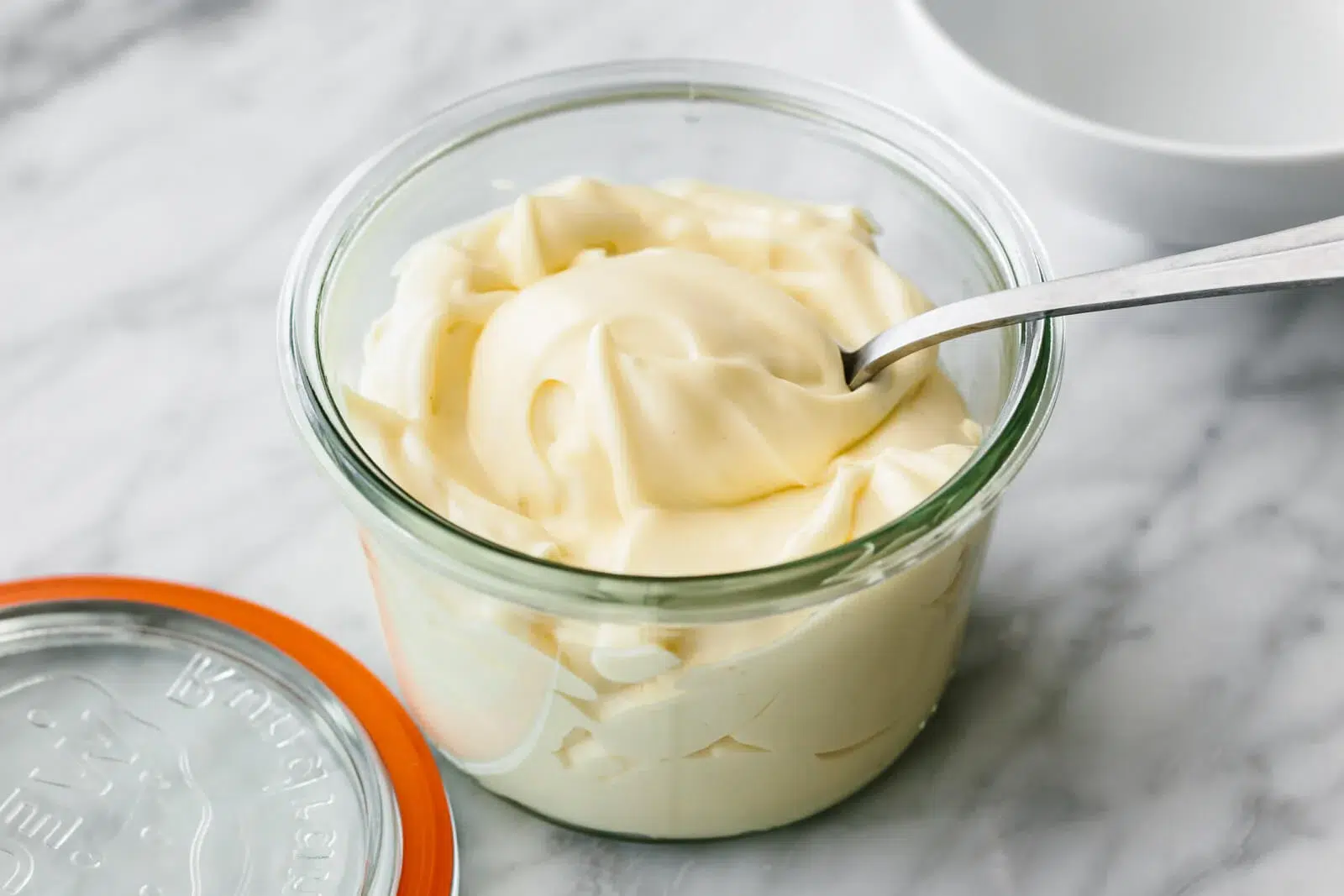
Traditional Egg Yolk Mayonnaise
For a richer, more classic texture, this version uses egg yolks and mustard.
Ingredients
- 3 egg yolks
- 2 teaspoons mustard
- 1 tablespoon white vinegar
- 570 g vegetable oil
- Salt and white pepper to taste
Method
- Whisk the egg yolks until smooth.
- Add vinegar, mustard, salt, and pepper, mixing well.
- Gradually add the oil in a thin stream while whisking constantly.
- Continue until thick, glossy, and fully emulsified.
This style is commonly used in professional kitchens and delivers a deeper flavor and silkier finish.
Light Mayonnaise Alternative
For those seeking a lighter option, this variation reduces oil while maintaining creaminess.
Ingredients
- 1 cup skim milk
- 2 egg yolks
- 3 tablespoons corn oil
- 1 tablespoon mustard
- 2 tablespoons cornstarch
- 1 tablespoon vinegar
- Salt to taste
Method
- Heat milk, cornstarch, and vinegar gently until thickened, then cool.
- Blend egg yolks, mustard, and oil until combined.
- Add the cooled milk mixture gradually and blend until smooth.
This version offers a softer texture and lower fat content while remaining versatile.
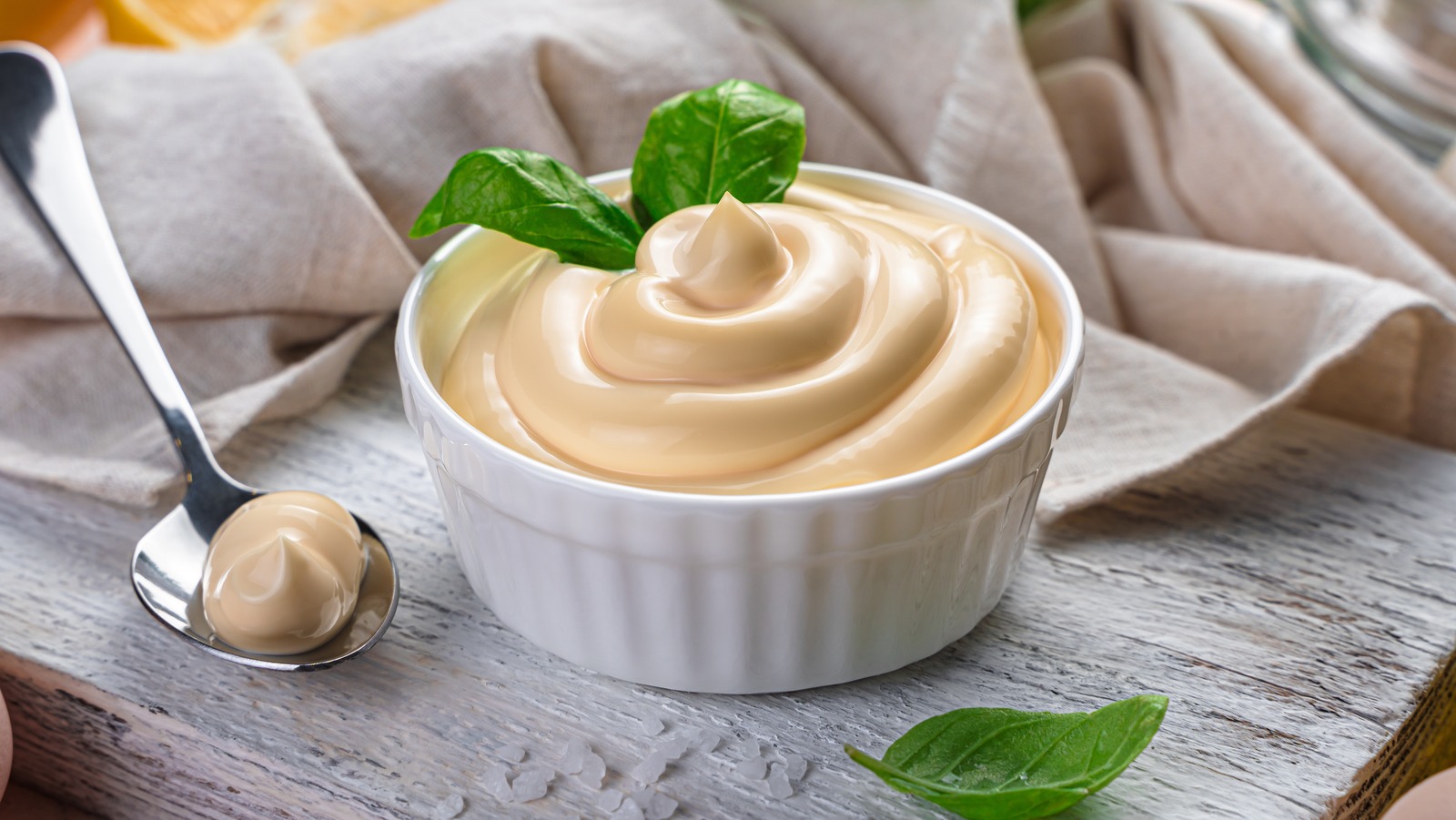
How to Store Homemade Mayonnaise Safely
Proper storage is essential when preparing mayonnaise at home. Because it contains fresh eggs, it should always be refrigerated in a sealed container.
- Homemade mayonnaise: 1 to 5 days maximum
- Always use clean utensils to avoid contamination
- Discard immediately if smell or texture changes
Commercial mayonnaise lasts longer due to preservatives, but homemade versions prioritize freshness and safety.
Everyday Uses for Homemade Mayonnaise
Homemade mayonnaise adapts easily to a wide variety of meals:
- Spreads for sandwiches and wraps.
- Creamy base for salads and dressings.
- Dip for fries and roasted vegetables.
- Sauce foundation for garlic mayo, aioli, or herb blends.
With a few simple adjustments, one batch can serve multiple purposes throughout the week.
Learning how to make homemade mayonnaise is a practical kitchen skill that delivers better flavor, cleaner ingredients, and endless flexibility. From classic versions to lighter alternatives, this simple sauce can transform everyday dishes with minimal effort. MAX Global brings you this reliable guide so you can enjoy fresh, homemade mayonnaise whenever you need it.


