Ultra Processed Food and Diabetes: Hidden Risks

Max Global: Ultra processed food and diabetes have become a worrying combination in everyday life. From breakfast cereals and snack bars to sugary drinks and ready meals, ultra processed food is now a major part of many diets, and scientists are increasingly linking this pattern to higher rates of type 2 diabetes.
Drawing on a large French cohort and several international studies, this report explains how ultra processed food and diabetes are connected and what practical steps can lower your risk, with Max Global guiding you through the latest evidence.

Read also: Erythritol Heart Risk: Hidden Side Effects and Dangers
What is ultra processed food?
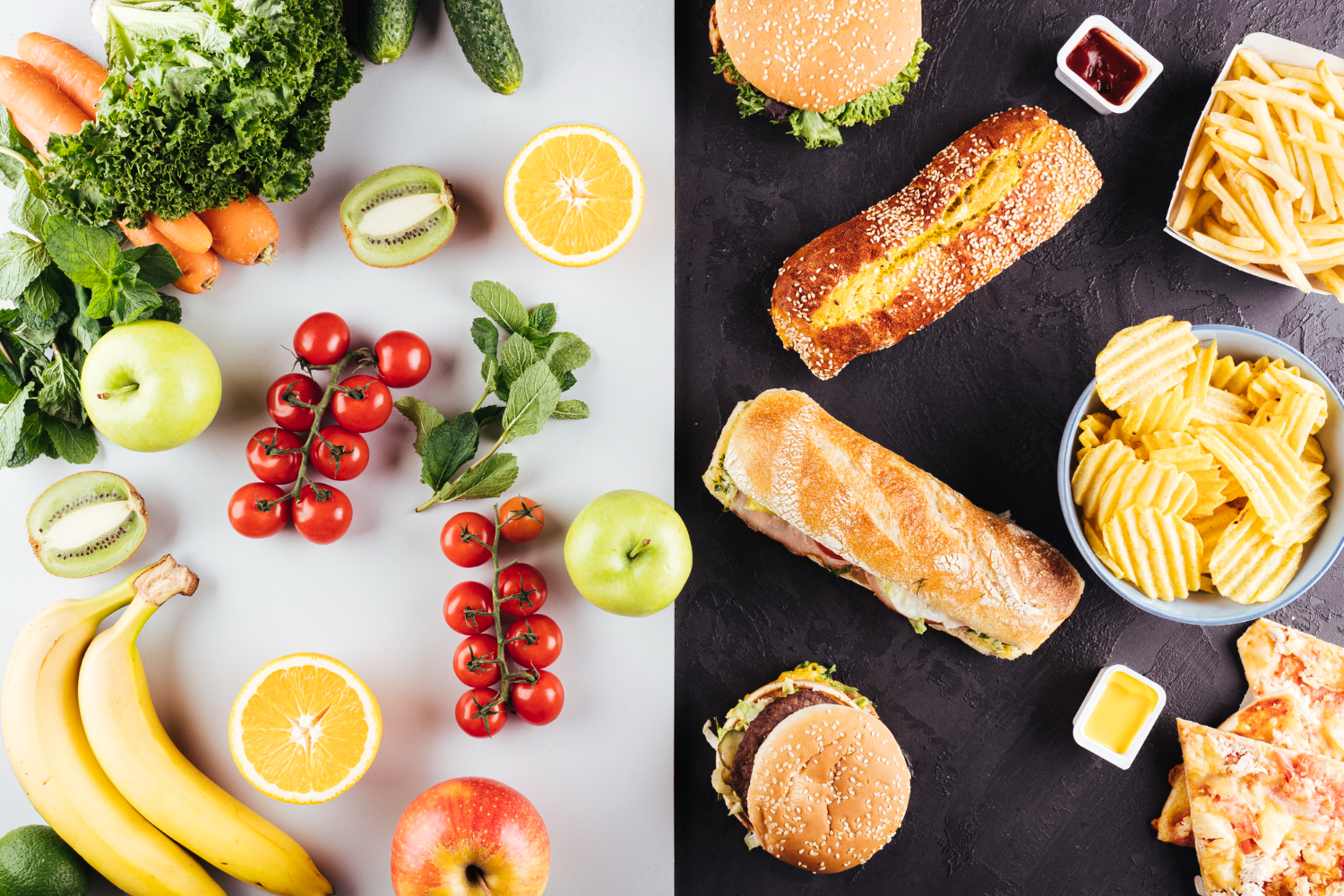
Nutrition researchers use the NOVA classification system to group foods by how heavily they are industrially processed. Ultra processed food includes packaged snacks and sweets, sugary or diet soft drinks, many breakfast cereals, instant noodles, processed meats such as hot dogs and deli meats, and frozen or shelf-stable ready meals. These products are typically made from refined starches, added sugars, cheap fats and salt, plus multiple additives such as emulsifiers, stabilisers, colourings and flavour enhancers.
By contrast, minimally processed foods still look like the original ingredient: vegetables, fruits, whole grains, beans and lentils, nuts and seeds, fish, eggs and unprocessed meat or poultry. Public-health agencies that advise on diabetes diet recommend eating mostly these “real foods” and treating ultra processed food as an occasional extra rather than a daily habit.
Ultra processed food and diabetes in a large French study
The Arabic report this article is based on highlighted a French study from the University of Paris, carried out within the NutriNet-Santé cohort. Researchers followed more than 100,000 adults who did not have diabetes at the start and recorded in detail how much ultra processed food they ate, measured as a percentage of their total daily intake in grams. Over roughly six years of follow-up, more than one thousand participants developed type 2 diabetes.
When the team compared people according to their intake, they found a clear link between ultra processed food and diabetes. Results published in JAMA Internal Medicine showed that for each 10-percentage-point increase in the proportion of ultra processed food in the diet, the relative risk of developing type 2 diabetes rose by about 15 percent. The association remained statistically significant after adjusting for age, sex, body mass index, smoking, physical activity and overall diet quality, suggesting that ultra processed food and diabetes are connected beyond simple weight gain or lack of exercise.

You might also like: Cancer Foods to Avoid: Evidence-Based Diet Choices to Lower Your Risk
Evidence from U.S. cohorts and global reviews
Patterns linking ultra processed food to diabetes risk are not limited to France. A 2023 analysis in Diabetes Care pooled data from three major U.S. cohort studies, following nearly 200,000 men and women for several decades. Once again, higher proportions of ultra processed food were associated with a greater likelihood of type 2 diabetes, with each 10 percent increase in intake linked to roughly a 12 percent rise in risk.
Several systematic reviews and meta-analyses have now combined results from multiple countries and reached similar conclusions: compared with low intake, moderate consumption of ultra processed food is associated with around a 10–15 percent higher risk of type 2 diabetes, and high intake may raise that risk by 30 percent or more. These studies are observational, so they cannot prove that ultra processed food and diabetes have a simple cause-and-effect relationship for every individual, but the consistency of the data is strong enough that many experts now treat ultra processed food as a meaningful risk factor.
How ultra processed food may affect blood sugar
Scientists are also exploring why ultra processed food and diabetes seem to go hand in hand. Several mechanisms are likely working together:
- Many products have a high glycaemic load because they are based on refined flour and added sugar, which cause rapid spikes in blood glucose and insulin. Repeated spikes over months and years can lead to insulin resistance, a key driver of type 2 diabetes.
- Ultra processed food is often low in fibre and protein, making it easy to overeat calories without feeling full, which promotes weight gain and abdominal fat.
- Some additives, such as certain emulsifiers and artificial sweeteners, may disturb the gut microbiota and promote low-grade inflammation, both of which have been linked to insulin resistance in experimental and observational studies.
- Diets dominated by ultra processed food usually leave less room for protective “diabetes foods” such as vegetables, whole grains, legumes, nuts and seeds.

Recommended for you: How Many Meals Should a Diabetic Eat: 3 Big or 6 Small?
Building a diabetes diet with less ultra processed food
For people living with diabetes, those with prediabetes, or anyone concerned about their long-term risk, major organisations such as the U.S. National Institute of Diabetes and Digestive and Kidney Diseases recommend focusing on an overall healthy pattern rather than strict bans. A simple way to put this into practice is the diabetes plate method:
- Fill half your plate with non-starchy vegetables such as leafy greens, peppers, carrots or green beans.
- Reserve one quarter of the plate for high-fibre carbohydrate foods like brown rice, whole-grain bread, beans, lentils or fruit.
- Use the final quarter for lean protein such as fish, skinless poultry, eggs, tofu or other plant proteins.
- Choose water, unsweetened tea or coffee instead of sugary soft drinks and many flavoured beverages, which are classic examples of ultra processed food.
Seen through the lens of ultra processed food and diabetes, this approach means turning packaged snacks, sweets, processed meats and ready meals into occasional treats rather than daily staples, and replacing them step by step with home-cooked meals based on minimally processed ingredients.
For anyone who already has diabetes or a strong family history, it is important to discuss individual nutrition plans with a health-care team. But the overall message from the research is clear: diets that rely heavily on ultra processed food are linked with a higher risk of type 2 diabetes, while patterns built around whole, minimally processed foods support healthier blood sugar over the long term.

Read also: Intermittent Fasting for Type 2 Diabetes: A Practical Guide
Frequently asked questions about ultra processed foods and blood sugar
Do ultra processed foods actually cause type 2 diabetes?
Most large studies are observational, which means they can show a strong link between eating a lot of ultra processed foods and a higher risk of type 2 diabetes, but they cannot prove direct cause and effect for every individual. The evidence suggests that diets high in these products – especially sugary drinks, sweet snacks and ready meals – tend to promote weight gain, insulin resistance and poor blood-sugar control over time. A single snack will not “cause” diabetes by itself, but making ultra processed foods a daily habit can raise your long-term risk.
What are common examples of ultra processed foods people with diabetes should limit?
Typical ultra processed foods include sugary or diet soft drinks, energy drinks, packaged sweet snacks and desserts, flavoured yoghurts with lots of added sugar, sweetened breakfast cereals, instant noodles and cup soups, processed meats such as hot dogs and deli slices, and many frozen or shelf-stable ready meals. These products usually have long ingredient lists with refined starches, added sugars, cheap fats, salt and several additives.
How can I start cutting ultra processed foods from my diet without feeling deprived?
Start with small, realistic swaps rather than trying to change everything at once. Replace sugary drinks with water, sparkling water or unsweetened tea. Swap packaged sweets for fruit, nuts or yoghurt with no added sugar. Cook simple meals at home using basic ingredients like vegetables, beans, whole grains and eggs instead of relying on ready meals. Planning your meals and keeping healthy snacks available makes it easier to avoid grabbing ultra processed products when you are tired or in a hurry.
If I already have type 2 diabetes, do I need to avoid ultra processed foods completely?
You do not have to be perfect or eliminate ultra processed foods forever, but it is wise to keep them as occasional treats rather than everyday staples. Most diabetes guidelines focus on the overall pattern of eating: building meals around vegetables, whole grains, lean proteins and healthy fats, while limiting sugary drinks, sweets and highly processed convenience foods. Your diabetes care team or dietitian can help you decide how often, and in what portions, these foods can fit into your personal plan.


