What is a Decibel?

Max Global: We hear about decibels all the time whether we’re talking about loud music, workplace noise, or even city traffic. But what is a decibel really? A lot of us use the word without knowing exactly what it measures or why it matters.
At Max Global, we wanted to clear things up in plain language, so you can actually understand what these numbers mean and why they’re so important in your daily life.
Read also: What is an Energy Efficiency Label?
What is a Decibel in Everyday Life?
First off, let’s get real: what is a decibel you see on warning signs or in headphone settings? It’s a way of measuring how loud something is, but it’s not as simple as counting volume like you count apples. A decibel (dB) is a unit that helps us compare sounds in a way our brains can understand. Imagine whispering to a friend about 30 dB. Now think about standing near a jet engine around 130 dB. That scale isn’t random. It helps us gauge how sound moves from quiet to dangerously loud.
What is a Decibel a Measure Of?
If you’re wondering what is a decibel a measure of, here’s the deal: it measures the ratio between two levels of sound pressure. Sound grows in a weird way not in a straight line but exponentially. A 10 dB increase actually feels about twice as loud. That’s why your music at 80 dB sounds much safer than a leaf blower at 100 dB. Understanding this ratio helps us set safe limits and communicate better about sound levels.

You might also like: AI Songwriting: Can Machines Truly Write Songs That Touch the Heart
The Decibel Scale: Why It Matters
The decibel scale is clever. Instead of giant numbers, it uses a logarithmic scale so we can talk about quiet rustles and blasting speakers in the same system. Think of it like this: normal talking is around 60 dB. Busy traffic might be 85 dB. Rock concerts? Easily over 100 dB. That’s why it’s essential to know what is a decibel so you can make safer choices about your environment.
What is a Decibel in Sound?
So what is a decibel in sound specifically? It’s our way of putting a number on how intense a noise is. It’s not just an academic exercise. Those numbers guide workplace rules, public health guidelines, and personal choices. Health agencies warn us about exposure over 85 dB because it can harm our hearing over time. Understanding decibels isn’t just for scientists it’s for anyone who cares about their hearing.
Decibel Reading and How We Measure It
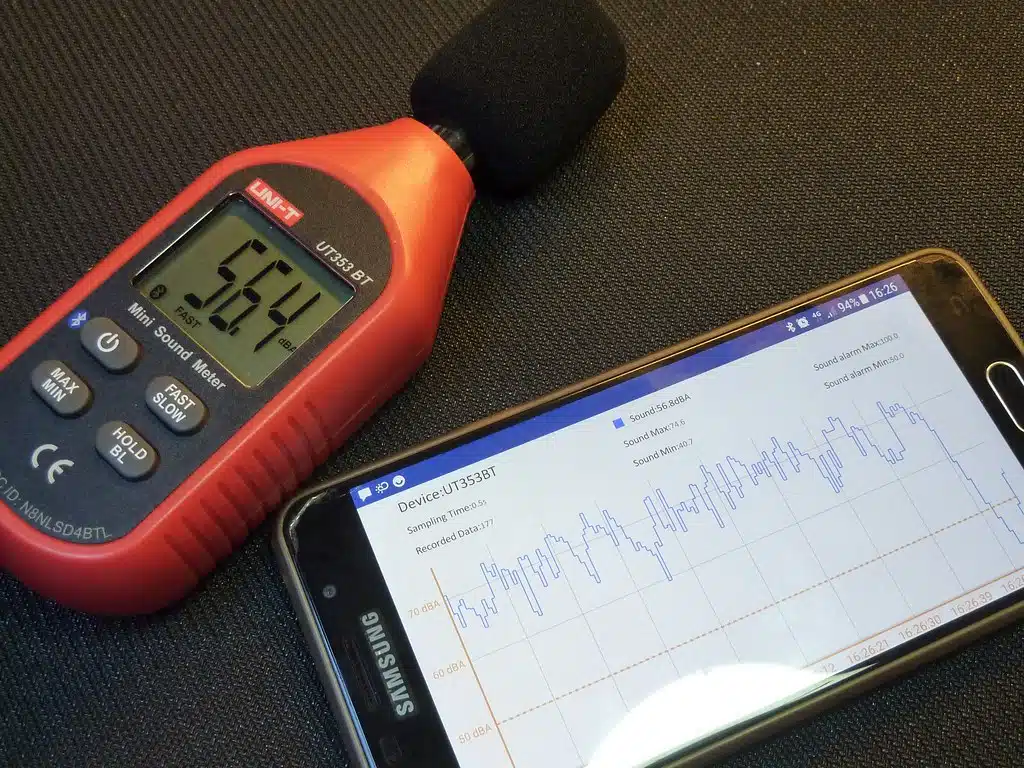
You can’t guess these numbers you measure them. That’s where decibel reading comes in. Sound level meters or decibel meters do the job. These tools are standard in factories, construction sites, music venues anywhere noise needs to be controlled. They give you real-time feedback on sound pressure levels, so you know when to wear ear protection or turn things down.
Beyond Sound: Other Decibel Uses
Even though most people ask what is a decibel in relation to noise, it’s used far beyond that. Telecom engineers measure signal strength in dB. Audio producers balance tracks using decibel readings. The scale pops up in electronics, broadcasting, and even medicine. It’s a universal way to describe ratios and changes in a format that makes sense.
Sound surrounds us, from quiet libraries to roaring stadiums. When you truly understand what is a decibel, you can make smarter choices about your environment, protect your hearing, and even appreciate the way engineers and health professionals keep things safer for everyone. At Max Global, we think knowing this isn’t just technical knowledge it’s essential for living better in a world full of sound.


