What is an Energy Efficiency Label?

Max Global: Ever noticed an energy efficiency label on your fridge, washing machine, or air conditioner and wondered what it really means? These stickers aren’t just for show they help you shop smarter and cut down on bills.
At Max Global, we want to help you truly understand what is an energy efficiency label, how to read one, and why it matters wherever you live.

What is an Energy Efficiency Label?
An energy label is a standardized way to show how much electricity a product uses. Instead of leaving you guessing, it explains consumption clearly, often using ratings or categories. This system helps you choose appliances that save you money while reducing environmental impact. Such labels are now common worldwide and support sustainable choices.
How to Read These Labels
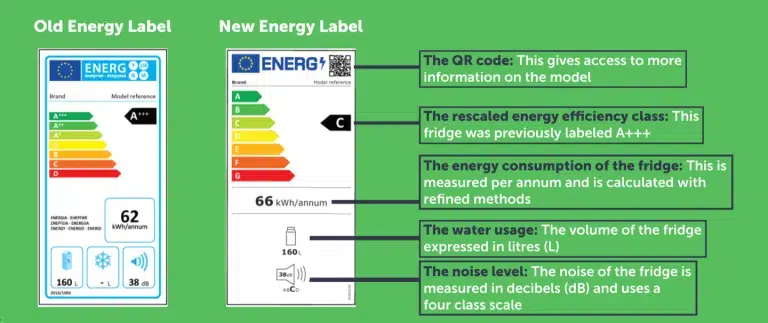
These labels typically show ratings that make comparisons easy. For example:
- Categories or letters (A to G in Europe).
- Energy consumption in kWh/year.
- Noise levels in decibels.
- Water usage for washing machines or dishwashers.
When you see guides explaining these labels online, they often break down these parts so you know exactly what you’re paying for and what you’ll save.
Recommended for you: What is a Decibel?
Labels in Europe
Europe has one of the most familiar systems. The EU energy label rates appliances from A (most efficient) to G (least efficient). Recent updates simplified older categories like A+++. Many include a QR code you can scan for more details. It’s not just about saving money it supports the EU’s climate goals by reducing overall consumption.
Labels in the United States and UK
In the United States, you’ll see the EnergyGuide. Instead of letter grades, it shows annual energy use and estimated yearly costs. Next to it, the Energy Star marks products meeting higher efficiency standards a trusted badge for the most efficient choices.
In the UK, products often display the EU-style ratings (A–G), which remain widely accepted. Even post-Brexit, these ratings help buyers choose greener options.
Labels in Asia
Many Asian countries use their own labeling systems to meet global expectations:
- China uses the China Energy Label (CEL) with a 1–5 rating (1 is best).
- India has the BEE Star Rating, showing 1–5 stars for efficiency.
- Malaysia follows MEPS rules with efficiency stars on air conditioners, fans, and TVs.
- Philippines has launched energy labeling programs to show electricity use per cycle, especially for fans and appliances.
- South Korea and other nations like Saudi Arabia and the UAE also enforce energy efficiency label standards to ensure imported and local products meet set requirements.
These differences mean even if you’re buying something made in Asia, you’ll find energy labels designed to be understood globally.
Energy costs money and resources. Understanding what these labels mean empowers you to choose better. Whether you’re in Europe comparing A to G ratings, in the US checking EnergyGuide, or in Asia looking at star systems, these markings help you save and reduce environmental harm.
At Max Global, we believe these labels are more than just information they’re essential tools for making smarter, more sustainable choices every day. When you understand an energy efficiency label, you’re not just saving money on your electric bill you’re actively reducing your environmental impact and supporting a greener planet. It’s about thinking long-term, choosing products that last, and demanding better standards from manufacturers. By paying attention to these labels, we can all help drive change toward cleaner energy use and create a healthier future for our families and communities worldwide.


