Bitter Almond Oil: Natural Benefits for Skin and Body

Max Global: Most of us have used or at least heard of sweet almond oil especially in skincare, but its bitter cousin? Not so much, that’s a bit surprising, considering how long bitter almond oil has been part of traditional remedies in parts of Europe, the Middle East, and South Asia, it’s not some new trendy ingredient it’s just one we tend to overlook.
Max Global explores the top benefits of bitter almond oil and how to use it to maximize its impact on your skin and body.
If you’ve been exploring natural oils for skin, you may have overlooked one powerful option: bitter almond oil, while not as famous as its sweet counterpart, it carries unique benefits and a few important safety notes.
Still, let’s be honest: anything with “bitter” in the name and a reputation for toxicity deserves a closer look, so, is bitter almond oil safe to use? And more importantly, is it even worth the effort? Let’s explore both the risks and the real potential it offers.

What Makes Bitter Almond Oil Different?
Unlike sweet almonds, bitter almonds contain amygdalin, a naturally occurring compound that can release cyanide if not properly processed, that’s not just trivia it’s a serious warning, this oil should never be ingested unless it’s labeled food-grade (most aren’t), even then, most experts advise caution.
Understanding the safety of bitter almond oil is crucial, although it offers some remarkable advantages for skincare, knowing how to use bitter almond oil safely makes all the difference.
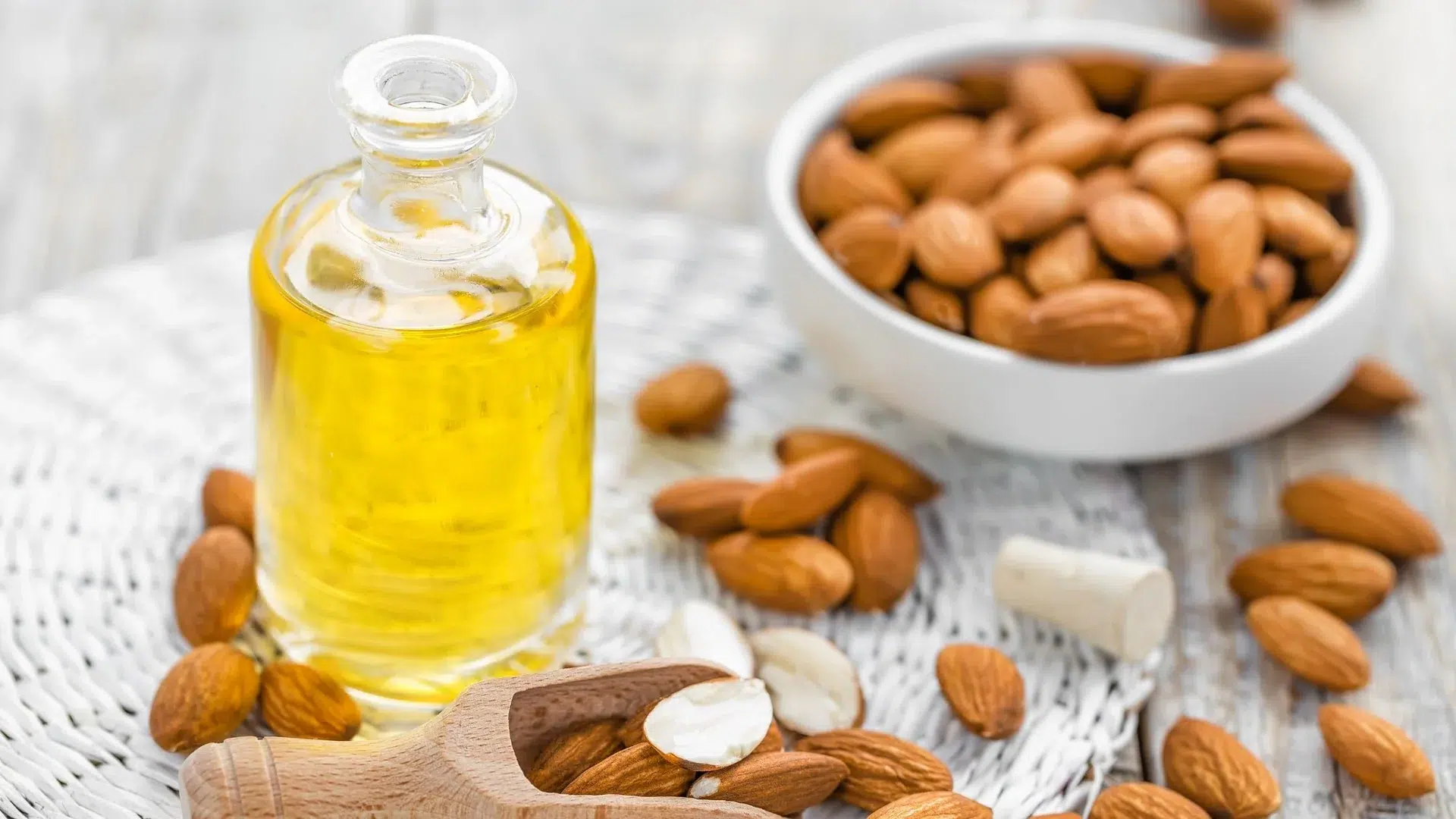
That said, when purified and processed specifically for external use, bitter almond oil can offer some noticeable benefits, the oil is packed with vitamin E, magnesium, and trace minerals that contribute to skin nourishment and minor inflammation relief, many people use it as a topical aid for dry spots, flaky skin, or irritation caused by weather or environmental stress.
So, What Can It Actually Do?
It won’t work miracles but it does a few things really well:
Hydrates and Softens
Applied after a shower, it helps lock in moisture especially when skin is still slightly damp, it’s not greasy, just… sealing.
Might Help With Irritated Skin
Some users find it soothing on patches of redness or mild itching, particularly in colder months, while not a replacement for medical treatment, it can provide comfort for common skin issues.
Works Best When Mixed
Unlike sweet almond oil, bitter almond oil has a slightly stronger scent and feel, it’s often more effective when blended into DIY balms or masks rather than used on its own.
These are just a few of the proven bitter almond oil benefits for people looking to incorporate gentle, plant-based options into their routines, whether you’re building a DIY body moisturizer or testing organic skincare oil, this ingredient has potential.
A Simple Moisturizing Mix to Try
If you’re wondering how to use bitter almond oil effectively at home, here’s a simple moisturizing mix that works especially well for dry skin remedy routines.
I’ve tried this on my elbows and heels during winter, and it works better than some store-bought lotions:
What you’ll need:
- 1 tbsp petroleum jelly
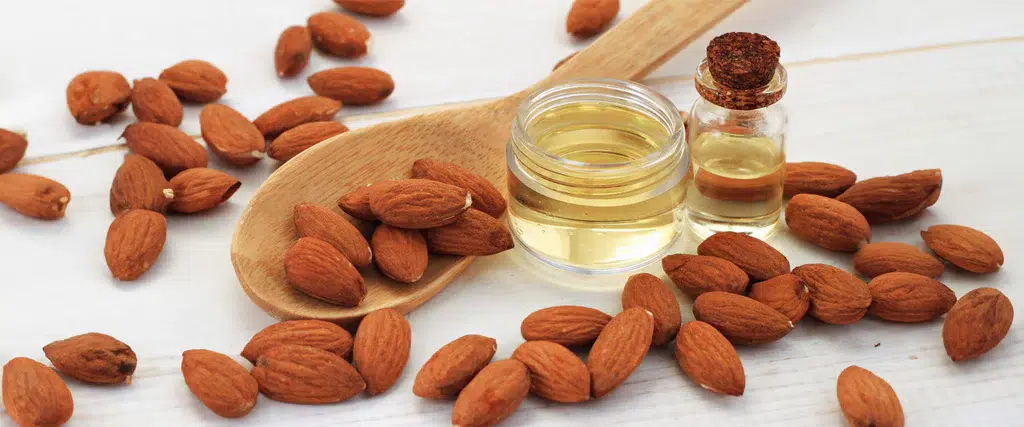
- 1 tbsp cosmetic-grade bitter almond oil
- 1 tsp glycerin
- Optional: 2–3 drops of lavender oil for scent
Instructions:
- Melt the petroleum jelly slowly over a bowl of hot water (don’t boil).
- Mix in the oil and glycerin until smooth.
- Add the lavender oil if you want a floral touch.
- Store in a clean jar, apply post-shower while skin is still slightly damp.
- Use it at night and wear cotton socks or gloves to lock in moisture if you want better results.
Other Ways I’ve Used It
Under-eye care: I tested 1–2 drops at night when I had a week of poor sleep, it didn’t erase fatigue, obviously, but it helped my skin feel less dry.
I’ve tested many safe essential oils under my eyes, but this onedespite the word “bitter” turned out surprisingly gentle and hydrating.
Lip rescue: I mixed it with beeswax once when I ran out of lip balm, it worked.
DIY scrub: Brown sugar and a bit of oil, gently rubbed onto the back of the hands, not fancy, but effective.
Bath addition: 1–2 tablespoons in a warm bath made my skin feel softer, although the scent is subtle and different from sweet almond oil.
Important Safety Tips
I can’t stress this enough don’t ingest this oil unless you’re absolutely sure it’s refined for that purpose. most are not.
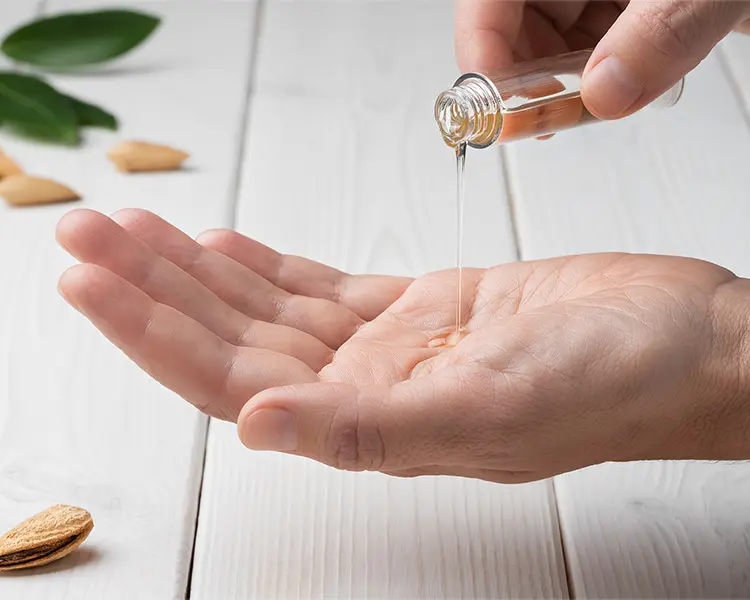
And yes, even for external use, test it first: a small drop on your inner wrist, wait 24 hours, if you get redness or irritation, don’t use it.
Also, buy from reputable brands, the label should clearly say “cosmetic-grade” or “purified for topical use” Anything else? Don’t take the risk.
In short, bitter almond oil can be a great addition to your natural beauty arsenal as long as you’re aware of the risks and follow guidelines for bitter almond oil safety, it’s not about fear it’s about smart, informed use.
Max Global’s advice? Respect the ingredient, know its limits, and if you try it, start slow.


