Best Video Editing Apps in 2026: 10 Picks for Android and iPhone

MAX Global: Finding the best video editing apps is harder than it looks. Most mobile editors can trim a clip, add music, and place text on the screen. The real differences appear when you need accurate captions, several video layers, clean exports, keyframes, 4K output, or a free plan that does not interrupt your workflow.
The best choice also depends on what you are making. A creator editing Instagram Reels has different priorities from someone cutting a 10-minute YouTube video or organizing footage from a GoPro.
MAX Global brings you a practical comparison of 10 of the best mobile video editors available in 2026, with recommendations for Android, iPhone, free editing, beginners, social video, and more advanced workflows. Features and availability were verified against official developer pages and app listings in August 2026.
How to choose the best video editing apps for Android
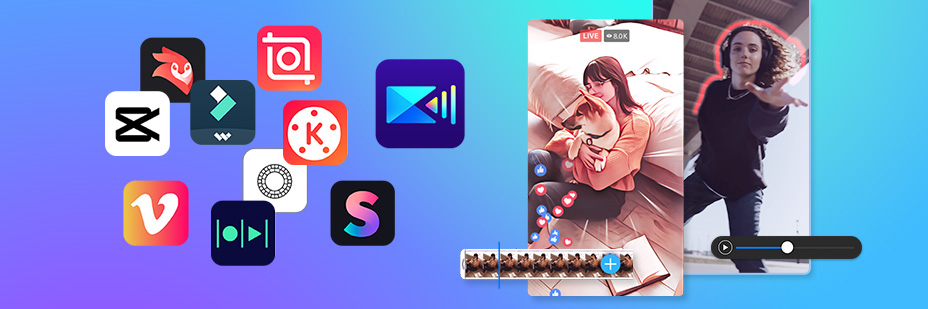
Best Video Editing Apps in 2026: Quick Comparison
| App | Best Use | Platforms | Free Option | Important Free-Tier Detail |
|---|---|---|---|---|
| CapCut | Social video and all-around editing | Android, iPhone | Yes | Standard projects can often export cleanly, but some templates and premium assets have restrictions. |
| VN | Free timeline editing | Android, iPhone | Yes | Official listing states no watermark. |
| Instagram Edits | Reels and short-form video | Android, iPhone | Yes | Supports 4K export with no watermark. |
| YouTube Create | YouTube beginners | Android, iPhone | Yes | Free and ad-free in supported countries. |
| Adobe Premiere | Advanced iPhone editing | iPhone | Yes | Core editing includes unlimited 4K export with no watermark. |
| PowerDirector | Advanced tools and multi-track editing | Android, iPhone | Yes | Premium plans add extra assets and features. |
| InShot | Fast social edits | Android, iPhone | Yes | InShot Pro removes the watermark and ads. |
| KineMaster | Layered mobile projects | Android, iPhone | Yes | Free download with ads and in-app purchases. |
| Filmora | Templates and assisted creation tools | Android, iPhone | Yes | Some features and logo removal require purchases. |
| GoPro Quik | GoPro and action-camera footage | Android, iPhone | Yes | Several cloud and automatic editing features require a GoPro subscription. |
The 9 picks: best video editing apps for Android and iPhone
The apps below are available on both platforms, and their key claims are documented in official store listings.
1. CapCut: Best Overall for Social Video
CapCut makes sense for creators who want one app for both fast social edits and more detailed timeline work. Its mobile tools include keyframes, chroma key, stabilization, automatic captions, motion tracking, background removal, slow-motion controls, and several tools built around short-form content.
It is particularly convenient when captions, effects, vertical formats, and templates are part of nearly every project. You can also work manually rather than starting from a template, which gives CapCut more flexibility than an editor built mainly around presets.
The free-plan situation deserves attention. CapCut says ordinary projects can often be exported without a watermark, but templates, premium assets, certain AI tools, and some export conditions can trigger Pro requirements. The exact experience can vary by feature, app version, and region.
That makes CapCut a good all-around choice, but users who need a completely predictable free workflow should test the exact features they expect to use before settling on it.
2. VN: Best Free Timeline Editor

VN is a better fit for users who care about timeline control more than a large library of viral templates.
The app uses a multi-track timeline and supports overlays, keyframes, captions, text-to-speech, background cutout, speed controls, and precise trimming. Its current App Store listing also advertises exports up to 4K at 60 fps on supported devices.
Its biggest advantage is simpler: VN officially describes the editor as free with no watermark.
That makes it an appealing CapCut alternative for someone who wants to learn conventional timeline editing without immediately paying to remove branding from exported videos.
The interface still takes some time to learn if you have only used basic trim-and-filter apps, but that extra control becomes useful once projects include several clips, text layers, sound, and effects.
3. Instagram Edits: Best for Reels
Instagram’s Edits app has quickly become relevant for anyone comparing apps to edit videos for social media.
Edits is not simply a button inside Instagram. It is a separate mobile editor with a frame-accurate timeline, clip-level editing, captions, effects, overlays, green-screen tools, cutouts, project management, and features connected to the Instagram publishing workflow.
The export policy is one of its strongest selling points. The current official listings state that Edits can export video in 4K with no watermark, and Meta says videos can be exported for posting on platforms other than Instagram.
For creators whose work revolves around Reels, this is an easy app to test before paying for another social editor. It is less convincing as a replacement for a deep professional timeline, but that is not really the job it is trying to do.
4. YouTube Create: Best for YouTube Beginners

YouTube Create is Google’s own mobile video editor for Shorts and longer YouTube videos.
The attraction here is simplicity. Google includes tools for trimming, cropping, transitions, speed changes, automatic captions, voiceovers, music, audio cleanup, background cutout, and common aspect ratios without forcing a new editor to learn a complicated interface first.
Google also states that YouTube Create is free and does not contain ads.
There is an availability caveat. YouTube Create only works in supported countries and regions. It is currently offered on compatible Android phones and on iPhone XR or newer models running iOS 17 or later.
If your main goal is getting footage from your phone onto YouTube with less friction, YouTube Create deserves more attention than it usually gets in generic lists of video editing apps.
5. Adobe Premiere: Best Advanced Video Editor for iPhone

Adobe replaced Premiere Rush with a new generation of Premiere for mobile, and that change matters for iPhone users.
Premiere on iPhone has a multi-track editing interface and includes tools such as keyframes, captions, audio editing, effects, transitions, aspect-ratio adjustments, and Adobe’s broader creative ecosystem.
More importantly, Adobe says the core editing experience is free. The company currently allows unlimited 4K video exports without a watermark, and there are no pop-up ads inside the main editing experience. Generative AI features can use paid Firefly credits, but regular editing does not require them.
As of August 2026, Adobe says the new Premiere mobile app is available on iOS, while the Android version is still in development.
For an iPhone owner who wants something closer to a conventional editing program than a social template app, Premiere is one of the first options worth trying.
6. PowerDirector: Best for AI Tools and Timeline Control

PowerDirector sits between a traditional timeline editor and the newer generation of AI-heavy mobile apps.
The current mobile version supports normal editing tasks such as trimming, speed changes, transitions, titles, background removal, multi-track editing, keyframes, chroma key, masks, and blend modes. CyberLink has also added a large collection of AI features, including Auto Edit, automatic captions, video enhancement, object removal, image-to-video tools, and prompt-based editing features.
On compatible devices, PowerDirector supports exports up to 4K.
Some of its more attractive extras sit behind the premium plan, including additional stock media, effects, and other paid content. Android users may also encounter ads in the free version.
PowerDirector is worth considering when you want more control than a basic social editor offers but still want AI shortcuts available when they genuinely save time.
7. InShot: Best for Quick Everyday Edits

InShot remains useful because it does not make a basic edit feel like a technical project.
You can trim footage, add music and text, resize video for different social platforms, change speed, create slow-motion effects, add captions, and use a collection of transitions and visual tools without digging through a dense professional interface.
The current Android and iPhone listings support video output up to 4K at 60 fps on compatible devices.
There is a tradeoff in the free version. InShot’s App Store listing says an InShot Pro subscription removes the watermark and advertisements while unlocking paid materials.
For people making casual Shorts, Reels, status videos, or simple vlogs, that may be a reasonable compromise. Users building more complex projects will probably outgrow the timeline sooner than they would with VN, PowerDirector, or Premiere.
8. KineMaster: Best for Layered Mobile Editing

KineMaster has been around long enough that it sometimes gets overlooked beside newer AI editors, but the app has continued to add modern tools.
Its current Android version includes automatic captions, text-to-speech, background removal, noise removal, object tracking, upscaling, and AI-assisted audio features. KineMaster’s timeline also supports separate layers, which is useful when a project involves text, overlays, graphics, and several visual elements.
Automatic captions are available on both supported iOS and Android devices, and KineMaster says caption generation can run directly on the device.
This is a practical editor for creators who want to build layered videos on a phone without moving every project to a laptop.
KineMaster is free to download, but the app contains ads and in-app purchases, so it is worth checking the current subscription options if you expect to use it heavily.
9. Filmora: Best for Templates and AI-Assisted Creation

Filmora’s mobile app has moved far beyond the older FilmoraGo identity.
The 2026 version puts a heavy emphasis on AI. Current tools include AI Auto Cut, dynamic captions, image-to-video generation, AI removal, text-to-video features, text-to-speech, automatic cutout tools, and templates for social platforms.
You can still perform ordinary edits such as trimming, splitting clips, adding audio, changing video ratios, adjusting speed, and working with text and stickers.
Filmora is therefore most attractive to creators who prefer guided editing and quick generation tools rather than building every project from an empty timeline.
The app is free to install, but there are numerous in-app purchases. Its App Store listing includes Filmora Pro options and paid logo-removal choices, so the free version should be tested before committing to it for regular publishing.
10. GoPro Quik: Best for GoPro and Action-Camera Footage
Quik is the most specialized video editing app on this list.
If you own a GoPro, that specialization is the reason to consider it. Quik can create automatic highlight videos, sync clips to music, apply themes and filters, organize GoPro media, and work with cloud-based footage. It also includes conventional controls for trimming, cropping, speed, exposure, and aspect ratio.
GoPro has expanded its editing tools for 360-degree footage as well, including reframing and tracking features on supported content.
The important limitation is the subscription model. GoPro’s current listings state that automatic highlights, cloud features, and several premium editing tools require a Premium or Premium+ subscription.
Someone who does not own a GoPro can find better value elsewhere. For regular GoPro users, the connection between camera, cloud storage, footage management, and editing is Quik’s main advantage.
What Is the Best Video Editing App for Android?
For most Android users, the answer depends on how much control you need.
CapCut is the most versatile starting point for social video. It combines templates, captions, effects, and a deeper timeline than many simple mobile editors.
VN is the better choice if you want a free multi-track editor with an officially stated no-watermark policy. Instagram Edits is especially attractive for Reels because it offers 4K exports without a watermark. YouTube Create is a sensible starting point for people who mainly publish on YouTube and live in a supported region.
PowerDirector and KineMaster become more interesting when projects involve multiple layers and more deliberate timeline work.
Adobe Premiere is not included in the Android recommendations yet because Adobe says its new mobile Premiere app is still being developed for Android.
What Is the Best Video Editing App for iPhone?
iPhone users have one extra option that changes the comparison: Adobe Premiere.
Premiere is the strongest pick here for people who want a more conventional multi-track editing experience with free 4K export and no watermark.
CapCut is easier to recommend for social-first projects, while VN works well for free timeline editing. Instagram Edits is a natural choice for frequent Reels creators, and InShot remains one of the simpler options when an edit only needs trimming, music, captions, and resizing.
There is no reason to choose one app for every type of project. A creator may use Edits for Reels and Premiere or VN for longer work.
What Is the Best Free Video Editing App?
VN has the clearest case for users who want a capable timeline editor without a watermark.
Instagram Edits is another strong free option, especially because its official listing promises 4K exports without a watermark. On iPhone, Adobe Premiere is unusually generous for a professional-style mobile editor, with free core editing and unlimited 4K exports without a watermark.
YouTube Create is also genuinely free and ad-free, although availability still depends on your country or region.
CapCut can be used extensively without paying, but its growing mix of free and Pro assets means you should check a project before assuming every template or tool will export under the same conditions.
Which Video Editing App Is Best for Beginners?
InShot and YouTube Create have the easiest starting point for someone who has never worked with an editing timeline.
CapCut is also approachable, especially when using templates, but there are enough tools inside the app that it can become busy.
VN takes a little longer to learn. That extra time is useful if you eventually want to understand multi-track editing instead of relying mainly on templates.
A beginner does not need the app with the longest feature list. You need an editor where cutting a clip, fixing the audio, adding captions, and exporting a finished video feels obvious after a few projects.
How to Choose a Mobile Video Editing App
Start with the type of video you actually publish.
For Reels and Shorts, pay attention to automatic captions, vertical formats, fast resizing, music, templates, and export speed. For longer YouTube videos, look more closely at the timeline, audio controls, project management, keyframes, and how easily clips can be reorganized.
Then check what “free” means.
A free download may still include a watermark, ads, paid effects, export restrictions, or premium AI features. Review the App Store or Google Play purchase information before editing a large project.
Export quality matters too, but do not assume that 4K support automatically makes one editor better. A clean 1080p export from an app you can use quickly may be more useful than a 4K option hidden inside a workflow you dislike.
Privacy is another practical consideration. Apple’s App Store provides privacy information for apps, while Google Play includes a Data safety section based on information supplied by developers. Review those disclosures before giving an editor access to a large photo and video library.
Test Two Video Editing Apps Before You Choose
A simple comparison can tell you more than a long feature list.
Take the same 20- or 30-second clip and edit it in two apps. Make a few cuts, add one title, generate captions, add music, adjust the aspect ratio, and export the result.
Notice where you hesitate.
Can you find the tools without searching through menus? Are the captions easy to correct? Does the free version suddenly ask for payment at export? Is there a watermark? Does the exported video look like the preview?
That short test is usually enough to eliminate at least one option.
Frequently Asked Questions
What is the best video editing app?
CapCut is the best starting point for many social-first creators because it combines templates, captions, effects, and timeline controls in one app. VN is a better fit for users who want free multi-track editing without a watermark, while Adobe Premiere is a strong option for advanced editing on iPhone.
What are the best apps to edit videos for free?
VN, Instagram Edits, YouTube Create, and Adobe Premiere on iPhone stand out for different reasons. VN advertises no-watermark editing, Edits supports 4K exports without a watermark, YouTube Create is free and ad-free, and Premiere provides free core editing with unlimited 4K exports on iPhone.
What are the best video editing apps for Android?
CapCut, VN, Instagram Edits, YouTube Create, PowerDirector, InShot, KineMaster, Filmora, and GoPro Quik are all available on Android. Adobe Premiere’s new mobile app is not yet available for Android as of August 2026.
What are the best video editing apps for iPhone?
Adobe Premiere, CapCut, VN, Instagram Edits, YouTube Create, PowerDirector, InShot, KineMaster, Filmora, and GoPro Quik are current options for iPhone. Premiere is particularly notable if you want a free multi-track editor with 4K export and no watermark.
Which video editor is best for Reels and Shorts?
CapCut is the broadest option for social editing, but Instagram Edits deserves serious consideration for Reels because it was built around Instagram’s creator workflow and supports 4K exports without a watermark. InShot is simpler if you only need quick cuts, captions, music, and formatting.
Can CapCut export without a watermark?
Yes, in many cases. CapCut’s own help documentation says standard editing projects can be exported without a watermark, while templates, premium assets, certain AI features, or specific export conditions can introduce branding or require CapCut Pro. Check the final export screen before relying on a particular workflow.
Choosing among the best video editing apps in 2026 comes down to what slows you down when you edit. Social creators may value captions and templates. A YouTuber may care more about audio and timeline control. GoPro users have a completely different set of needs.
Pick two apps that match your type of content, run the same small project through both, and keep the one that makes publishing easier.


