Corte Argentino Beef Recall: 29,628 Pounds Recalled in Florida and Texas

Max Global: The Corte Argentino beef recall covers approximately 29,628 pounds of raw beef imported from Argentina and distributed to retailers and distributors in Florida and Texas. The U.S. Department of Agriculture’s Food Safety and Inspection Service (FSIS) announced the recall after determining that the products entered the country without the required import reinspection. Because the affected beef carries use-or-freeze-by dates through September 20, 2026, consumers may still have some of the recalled products in refrigerators or freezers.
Corte Argentino Beef Recall: What Happened?
FSIS identified the action as Recall 013-2026. Corte Argentino USA LLC, based in Aventura, Florida, recalled the products after federal inspectors discovered the import violation during routine inspection activities. The recall was announced on August 7, 2026, and FSIS currently lists it as Active and High – Class I.
The raw beef products were produced between May 15 and May 20, 2026. Their use-or-freeze-by dates run from September 15 through September 20, 2026, and FSIS says they were shipped to distributors and retailers in Florida and Texas.
The official reason for the Corte Argentino beef recall is that the imported beef entered commerce without the required FSIS import reinspection. The federal notice does not state that bacteria or another contaminant was found in the products. FSIS also says there have been no confirmed reports of illness or injury associated with consumption of the recalled beef.
Which Beef Products Are Included?
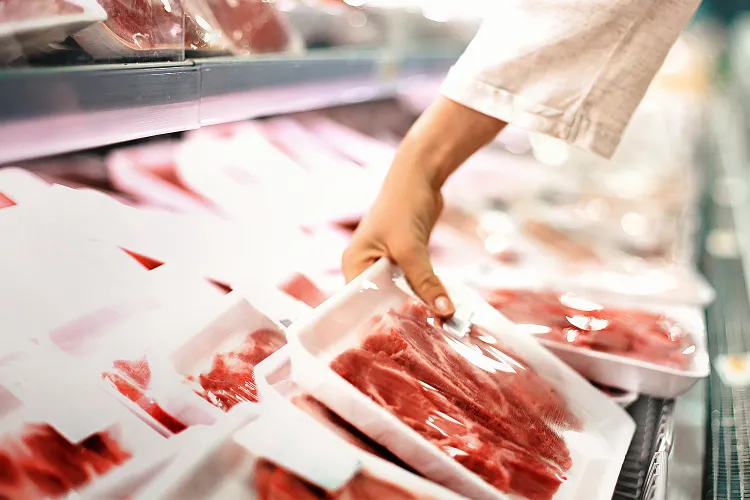
The recall covers five boneless beef cuts from Frigorifico Gorina SAIC, packed in variable-weight cardboard boxes:
- Top Sirloin Butt (Cuadril Sin Tapa)
- Eye Round (Peceto)
- Topside Cap Off (Nalga AD S/Tapa)
- Flat (Carnaza Cuadrada)
- Knuckle (Bola de Lomo)
Consumers checking products should look for the Argentine establishment number “EST. N° OF. 2025” and shipping mark “26644-AA.” The product name and use-or-freeze-by date should also be compared with the official recall details.
FSIS has not published a list of individual retail stores that sold the affected beef. CBS News Texas reported that the specific stores were not known, while confirming that the products were distributed to retailers and distributors in both states. For shoppers checking beef recalled in Florida or beef recalled in Texas, the establishment number, shipping mark, product cut, and date range are therefore more useful than the importer name alone.
The Frigorifico Gorina beef recall information should be matched against the package label before a consumer decides whether a product is affected. The Corte Argentino beef recall applies to products matching the official identifiers and dates, not simply to any beef carrying a similar brand or importer name.
Why Import Reinspection Matters
FSIS requires imported meat, poultry, and egg products to be presented for reinspection after applicable U.S. Customs and Border Protection and Animal and Plant Health Inspection Service requirements are met. The process can include checks of documentation, labeling, product condition, certification, and other import requirements. Some shipments may also be selected for additional examination or laboratory sampling.
In this case, FSIS says the recalled beef entered the country without the benefit of that required reinspection. The agency discovered the problem during routine inspection activities, leading to the Corte Argentino USA recall.
That distinction is important. The Corte Argentino beef recall was triggered by a failure to complete the required import reinspection process, not by a confirmed finding of contamination in the recalled products. Consumers should still follow the recall instructions because the beef entered commerce without completing the federal reinspection step.
What Should Consumers Do?
FSIS says it is concerned that some recalled beef may still be in consumers’ refrigerators or freezers because the use-or-freeze-by dates extend through September 20, 2026.
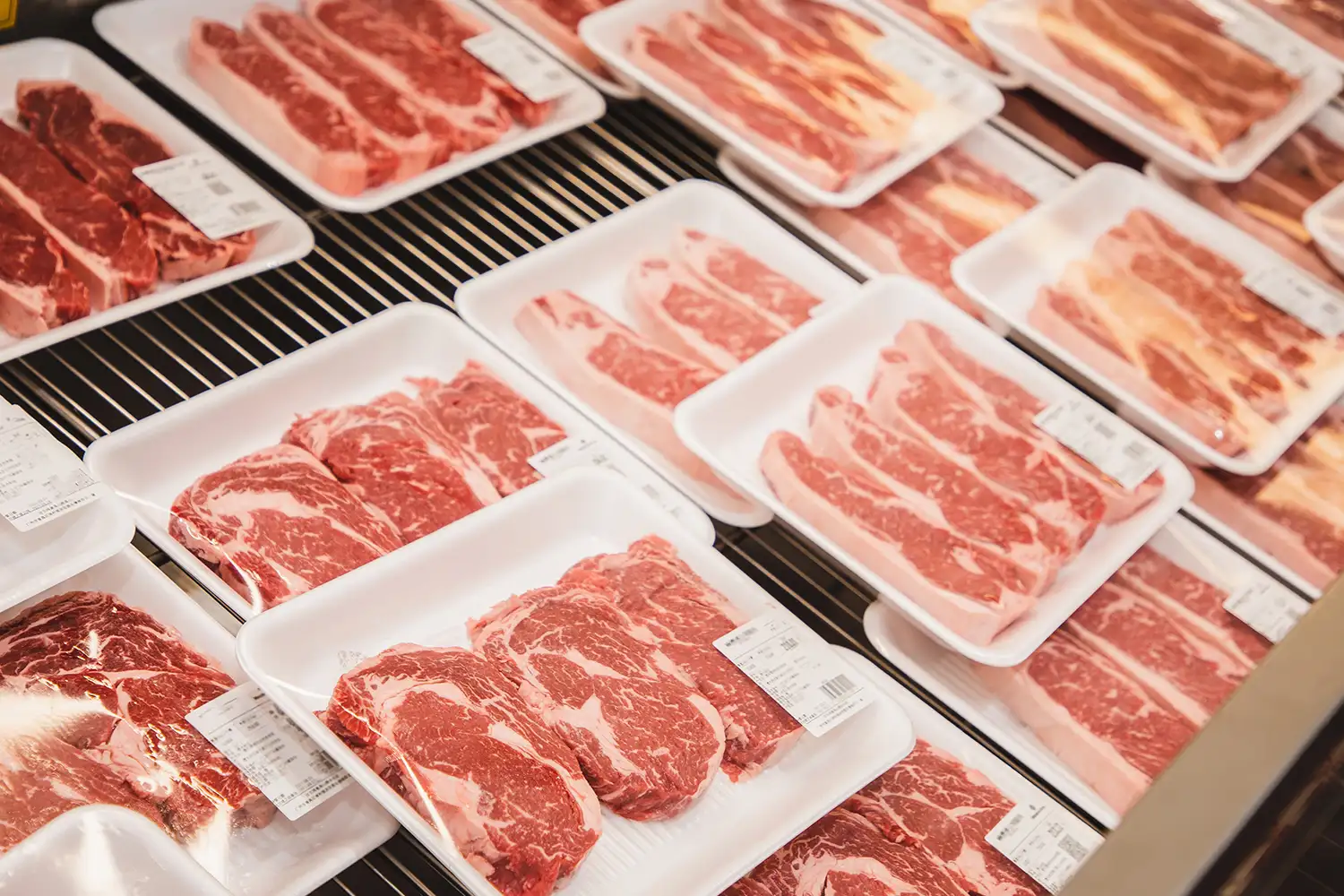
Consumers who have a matching product should not eat it. FSIS advises throwing the recalled beef away or returning it to the place of purchase.
Consumers should not rely on the Corte Argentino name alone when examining a package. The recalled boxes identify Frigorifico Gorina SAIC, so the establishment number “EST. N° OF. 2025,” shipping mark “26644-AA,” specific beef cut, and date range provide the clearest way to compare a product with the official USDA beef recall notice.
Anyone concerned about an illness or injury should contact a healthcare provider. FSIS says there have been no confirmed reports of illness or injury associated with consumption of the recalled products.
The Corte Argentino beef recall affects products distributed in Florida and Texas, and the extended use-or-freeze-by dates mean some packages could remain stored at home. Consumers who purchased Argentine raw beef should check the establishment number, shipping mark, cut, and date range before deciding whether a package is included.
For consumers following the Corte Argentino beef recall, the key action is straightforward: if the package details match Recall 013-2026, do not consume the beef. Follow FSIS guidance by discarding it or returning it to the place of purchase.